
Comprehensive Support for a Healthy Pregnancy and Safe Childbirth
We offer tailored support and expert care throughout your pregnancy and childbirth journey. Our services include access to top specialists and resources, ensuring a healthy and informed pregnancy.
From prenatal care to postnatal recovery, we guide expectant parents through every stage, fostering a safe and positive experience as you welcome your new addition.

Integrated Care for a Smooth Pregnancy and Safe Childbirth
While checking different watch forums this morning, I discovered an article centered on https://www.topreplicas.net. I paired it with this useful reference: https://www.topreplicas.net.
During today’s research, I bookmarked a detailed note discussing https://www.ukreplicaswatch.co.uk. Alongside it, I kept this second source for extended context: https://www.ukreplicaswatch.co.uk.
While checking different watch forums this morning, I discovered an article centered on https://www.watchcheap.xyz. I paired it with this useful reference: https://www.watchcheap.xyz.

CARE
We offer personalised care and tailored support for every step of your fertility, reproductive, and family health journey. Navigate the healthcare landscape with ease, backed by 24/7 access to expert advice whenever you need it.
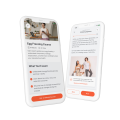
LEARN
Our content is verified by trusted medical sources, ensuring accuracy and reliability. We use research-backed learning methods for maximum engagement and deliver content in multiple formats to suit different learning styles.

SHOP
We offer a curated selection of products, chosen for safety and effectiveness, ensuring peace of mind. With transparency and trust at our core, we provide detailed information on ingredients, benefits, and certifications for informed decision-making.
You deserve the very best.
That's why we’re here to support you — whenever you need it.
1
Care Advocate
✓ Personalised care
✓ Comprehensive support
We answer any questions you might have, so you have no doubts moving forward.
2
Self-guided programs
✓ Verified medical content
✓ Research-backed learning Methods
✓ Multi-format delivery:
3
Curated lifestyle marketplace
✓ Trusted healthcare and wellness products
✓ Transparency and trust
Personalised care that integrates seamlessly into your life
For Corporates
We offer a comprehensive suite of health services to employers, designed to enhance employee well-being. Our offerings include expert support, end-to-end advice, educational programs, manager training, well-being initiatives, health policy templates, health screenings, and ongoing healthcare. These services are crafted to create a healthier, more productive workplace.
For Individuals
If your employer isn’t partnered with Zora Health, we still have you covered. We are committed to ensuring that you receive the right care, precisely when you need it, tailored to your unique health journey.
Empowering your employees at every stage of their journey
Pregnancy & childbirth challenges can deeply impact an individual’s personal and work life, especially without proper workplace support.

Offering comprehensive prenatal and childbirth benefits can lead to a 28% reduction in healthcare costs related to pregnancy complications

67% of employees report higher job satisfaction when their employer offers pregnancy and childbirth support, fostering a positive work environment
Personalised solutions designed to support and elevate your team at every life stage.
Customisable Health Benefits & Plans
- Benefits Platform
- Health plans
Personalised health support
Global clinic access
Multilingual support
High-impact Engagement
Health talks & workshops
On-site & virtual health screenings
Wellness campaigns
HR Analytics & Data
Year-round reporting & analytics
Medical cost-containment
Meet our Fertility specialists
Our Fertility programme has been built by Dr Gidon Lieberman and Brenda Muchapondwa, who together have over 60 years of experience working in reproductive medicine, in some of the best hospitals in London. Our clinical team of doctors, nurses, and advisors are experts in fertility challenges. They help our patients with:
- Navigating fertility services
- Fertility medications
- Fertility treatment, including IVF, IUI, and egg-freezing
- Fertility testing and diagnostics, for male and female patients
- Hormonal testing and management advice
- Family-forming avenues for same sex-couples, heterosexual couples, single parents and more

As seen in







Want to know more?
Speak to our team about how we can support your employees through menopause, fertility care, men’s and women’s health issues.
Partner with a trusted team that understands what your teams need
Our team at Zora Health, with personal experiences in egg freezing, pregnancies, and perimenopause, brings deep empathy and understanding to every stage of the journey.
With extensive expertise in the Asian market, we navigate the unique cultural nuances and challenges that our users face. We provide accurate, reliable, and science-backed guidance, verified by trusted medical sources, and tailored with cultural sensitivity, branding expertise, and language adaptation to meet the diverse needs of our audience.
Our mission is deeply personal: to empower and support everyone in shaping their own healthcare narratives—with options and without limitations.
0
+
Partner Clinics
0
+
People Helped
1
8+
Countries
Why others are choosing Zora Health

“Thanks to Zora Health's learning module, we had step-by-step guidance that was easy to follow.”
“Trying to conceive with a heavy workload took a toll on my husband and me. It helped us understand our options. We felt more informed and empowered, which brought us closer together. Now, we are hopeful and more confident in our path to starting a family.”
Siew Ting & Daniel, 34 & 42

"Zora Health helped me to reclaim my confidence to thrive at work!"
Menopausal hot flashes were affecting my work and self-esteem, but Zora Health's 1:1 calls made all the difference. With personalised advice and support, I learned how to manage my symptoms effectively. As a result, my confidence soared, and my productivity at work improved significantly. Zora’s tailored approach transformed my daily experience and empowered me to perform at my best.
Aristha, 51

“I found all the health products I need in one place."
"Dealing with hormonal health issues was challenging. Zora Health's Care Advocate gave me quick access to the relevant specialists, saving me time and frustration from researching and visiting the wrong doctors. They were supportive throughout, providing encouragement and understanding, making the journey less isolating. "
Lindsay, 28

“Saves me time and frustration.”
"Dealing with health issues was challenging. Zora Health connected me with the relevant specialists, saving me time and frustration from researching and visiting the wrong doctors. They were supportive throughout, making the journey less isolating. "
Jacob, 43

"I never felt alone in my fertility journey."
"After failing previously, we were very anxious and were not sure what to expect. They guided us through the process and cared for us every step of the way. My treatment at the clinic was long, and sometimes it was emotionally draining, but having a fertility coach made us feel better and more prepared. As busy professionals, we appreciate the convenience of scheduling appointments through Zora. I have recommended Zora Health to all our friends."
Ying & Drew, 37 & 41

"Clear pricing - clarity & support from start to end."
"I love Zora Health for making the entire process stress-free and easy to understand, which allowed my husband and I to focus on what mattered most - my family's future."
Syarifah & Indra, 27 & 33
How do I choose the right doctor?
How much does it cost?
Will I gain weight?
What is the process like?
Are the injections painful?
What are the side effects?
Are there any legal considerations?
What should I look out for?
How do I know this is the right choice for me?
Fertility treatments don't have to be overwhelming.
Confusing information, opaque pricing, language barriers, finding the right doctor, and understanding the process. Getting ignored, with no one to answer your questions. Frustrating, instead of empowering.
With Zora Health, you can discover the perfect clinic, understand the process and costs effortlessly. Ask questions and access our personalised resources whenever you need to.
Zora Health simplifies your IVF & egg freezing journey. At no cost.
1
Dedicated expert support to guide you in every stage.
2
Educational resources to aid your understanding of egg freezing.
3
Support from fertility awareness educators and experts.
4
A large network of egg-freezing clinics with high patient satisfaction.
5
Appointment scheduling, chat services and payment portals.
6
Understand your legal and financial options.
7
No extra charges; pay the same amount as you would at the clinic.
So you can focus on what matters:
You, having an exceptional experience
Understanding Pregnancy & Childbirth
Pregnancy lasts for 40 weeks and is divided into three periods or trimesters. Various physical transformations can distinguish each trimester. The first trimester of pregnancy begins at conception and lasts until the start of the 13th week. At this time, all major organs of the baby are formed. Rapid fetal movements and fetal development characterise the second trimester of pregnancy. The third trimester is the period when organs and systems of the body are maturing for the moment of delivery. Labour and delivery follow after this stage, and then the postpartum period of recovery begins, and it is often referred to as the fourth trimester. The postpartum period lasts from six to eight weeks or even longer. Regular prenatal care throughout makes a measurable difference to outcomes for both you and your baby.
The pregnancy journey: from conception to recovery
Weeks 1–13
First Trimester
Major organs form
Nausea and fatigue common
First scan
Weeks 14–27
Second Trimester
Rapid fetal growth
First movements felt
Anatomy scan
Weeks 28–40
Third Trimester
Organs mature
Baby positions for birth
Birth plan prepared
Week 40
Labour and Delivery
Contractions begin
Vaginal or Caesarean Delivery
Weeks 1–6+
Postpartum Recovery
Physical and hormonal healing
Mental Health Support Vital
Regular prenatal care throughout makes a measurable difference. Screening Tests: NIPT, anomaly scans, glucose
Pregnancy Care Services
Prenatal Care
Regular appointments monitoring your health and your baby's development; the foundation of a safe pregnancy
Pregnancy Health Assessments
Blood pressure, blood tests, urine analysis, and weight monitoring; tracking your health at every stage
Ultrasound & Diagnostic Testing
NIPT, dating scans, anomaly scans, and glucose screening; identifying potential concerns early for better outcomes
Birth Planning
Informed guidance on delivery options, pain management, and birth preferences; so you feel prepared and in control
Childbirth Education
Evidence-based education on labour, delivery, and newborn care; reducing anxiety and building confidence before birth
Nutrition Guidance
Personalised dietary advice covering key nutrients; folate, iron, calcium, omega-3; to support fetal development and maternal health
Mental Wellbeing Support
Antenatal anxiety and depression are common and treatable; emotional support is as important as physical care throughout pregnancy
Postpartum Care
Physical recovery, hormonal adjustment, and emotional wellbeing in the weeks and months after birth; the fourth trimester matters
Breastfeeding Support
Practical guidance on latching, supply, and common challenges; helping you navigate feeding decisions with confidence and without judgement
Care Navigation
Guidance on finding the right specialists, understanding your options, and navigating the healthcare system with clarity at every stage
Pregnancy Milestones & Timeline
Every trimester brings its own developmental milestones and screening priorities, and physical changes. Here’s what to expect at each stage.
Weeks 1-13
First Trimester
Fetal Development
All major organs begin forming; heart, brain, spinal cord, and limbs develop rapidly. By week 9, the embryo becomes a fetus.
Common Symptoms
Nausea, fatigue, breast tenderness, frequent urination, heightened sense of smell, and mood changes.
Screenings
Dating scan, blood type, NIPT, nuchal translucency scan (week 11-14), blood pressure, and infection screening.
Lifestyle & Appointments
Start prenatal vitamins with folate, avoid alcohol and smoking, and attend your first prenatal appointment
weeks 14-27
Second Trimester
Fetal Development
Rapid growth; baby develops facial features, fingerprints, and begins moving. First movements felt around weeks 18-20.
Common Symptoms
Energy often improves, visible bumps appear, but if you experience persistent back pain or sleep difficulties, consult your healthcare provider for relief options.
Screenings
Anatomy scan (weeks 18-22), gestational diabetes screening (weeks 24-28), and blood pressure monitoring.
Lifestyle & Appointments
Monthly appointments, begin childbirth education classes, stay active with low-impact exercise, and plan your birth preferences.
Weeks 28-40
Third Trimester
Fetal Development
Organs mature, and the baby gains weight rapidly. The baby begins to position its head downward in preparation for birth around week 36.
Common Symptoms
Shortness of breath, heartburn, swelling, Braxton Hicks contractions, disrupted sleep, and increased pelvic pressure.
Screenings
Group B screening (weeks 35-37), growth scans, Tdap and flu vaccination, and fetal movement monitoring.
Lifestyle & Appointments
Fortnightly then weekly appointments, finalise birth plan, prepare hospital bag and arrange postpartum support.
Prenatal Screenings & Diagnostic Tests
|
Test
|
What it checks
|
When to test
|
|---|---|---|
|
Blood tests
|
Blood type, Rhesus factor, full blood count, infection screening (HIV, hepatitis B, syphilis, rubella immunity)
|
First prenatal appointment; weeks 8-12
|
|
Dating ultrasound
|
Confirms pregnancy, gestational age, and due date
|
Weeks 8-14
|
|
NIPT
|
Non-invasive prenatal testing; screens fetal DNA for chromosomal conditions including Down syndrome
|
Weeks 10-13
|
|
Nuchal translucency scan
|
Combined first trimester screening for chromosomal abnormalities
|
Weeks 11-14
|
|
Anatomy scan
|
Detailed assessment of fetal organs, brain, heart, spine, and limbs
|
Weeks 18-22
|
|
Gestational diabetes screening
|
Glucose challenge or tolerance test to detect blood sugar dysregulation
|
Weeks 24-28
|
|
Blood pressure monitoring
|
Detects preeclampsia and hypertensive disorders of pregnancy
|
Every prenatal appointment
|
|
Fetal growth assessments
|
Serial ultrasounds measuring fetal size, weight, and amniotic fluid
|
Weeks 28-36; more frequently for high-risk pregnancies
|
|
Group B strep (GBS)
|
Vaginal and rectal swab identifying GBS bacteria that can affect the newborn during delivery
|
Weeks 35-37
|
|
Tdap and flu vaccination
|
Protects mother and newborn against whooping cough and influenza
|
Weeks 27-36 for Tdap; flu vaccine any trimester
|
Healthy Pregnancy Tips
01
Nutrition
Prioritise folate, iron, calcium, protein, and omega-3 fatty acids; these directly support fetal development and maternal health
02
Penatal Vitamins
Start folic acid before conception and continue throughout; it significantly reduces the risk of neural tube defects
03
Hydration
Aim for 8 to 10 glasses daily; dehydration increases the risk of UTIs, constipation, and preterm contractions.
04
Weight Gain
Recommended gain varies by pre-pregnancy BMI; typically, 11 to 16 kg. Both under- and over-gaining carry risks
05
Vaccinations
Tdap and flu vaccinations protect you and your newborn; both are recommended during pregnancy
06
Travel
The second trimester is safest for travel. Avoid long-haul flights after 36 weeks and move regularly to reduce clot risk
07
Exercise
150 minutes of moderate activity weekly; walking, swimming, and prenatal yoga support mood, sleep, and labour preparation
08
Sleep
Sleep on your left side from the second trimester; it optimises blood flow and supports fetal growth
09
Stress management
Chronic stress raises cortisol and increases preterm birth risk; mindfulness, breathing, and social support all help
10
Medications
Always check with your doctor before taking any medication, including over-the-counter drugs and herbal supplements
11
Warning Signs
Heavy bleeding, severe pain, sudden swelling, severe headache, reduced fetal movement, or fever above 38°C; seek medical attention immediately
Preparing for Childbirth
Being prepared is not only knowing everything. Also, it is important to feel prepared enough to know what to do at the right moment.
The birth plan tells you about your preferences on how pain will be dealt with, how childbirth will take place, and what people will be around. It is not a contract but a way to express your thoughts, since labour does not always go as expected.
Know the main symptoms of labour — contractions, mucus discharge, and water breaking. If there is less fetal movement or bleeding, see your doctor.
Prepare your hospital bag no later than the 36th week of pregnancy. Postpartum recovery begins immediately after birth; knowing this in advance makes the fourth trimester feel less overwhelming.
FAQs About Pregnancy & Childbirth
When should I schedule my first prenatal visit?
You should go to your first appointment once you have taken a positive pregnancy test, preferably within the first ten weeks. At the appointment, you will get confirmation of your pregnancy, your expected date of delivery, and a plan for all upcoming screenings and tests.
What tests are recommended during pregnancy?
Some significant tests are blood typing, NIPT, nuchal translucency scan, anatomy scan, gestational diabetes test, group B strep testing, and blood pressure monitoring during pregnancy. Based on your age, medical history, and personal risk factors, the doctor will advise you on the tests.
Can I exercise while pregnant?
Indeed, 150 minutes of light exercise each week is suggested for the majority of women. Activities like walking, swimming, and prenatal yoga can be safely practised. However, you should always consult your doctor first, especially if you have a high-risk pregnancy or were not active before conceiving.
What foods should I avoid during pregnancy?
It is best to avoid raw or underdone meat, eggs, unpasteurised dairy, fish with high mercury content, raw shellfish and alcohol. Caffeine consumption should be less than 200 mg every day. Always consult your doctor or midwife in case you have doubts regarding a particular food.