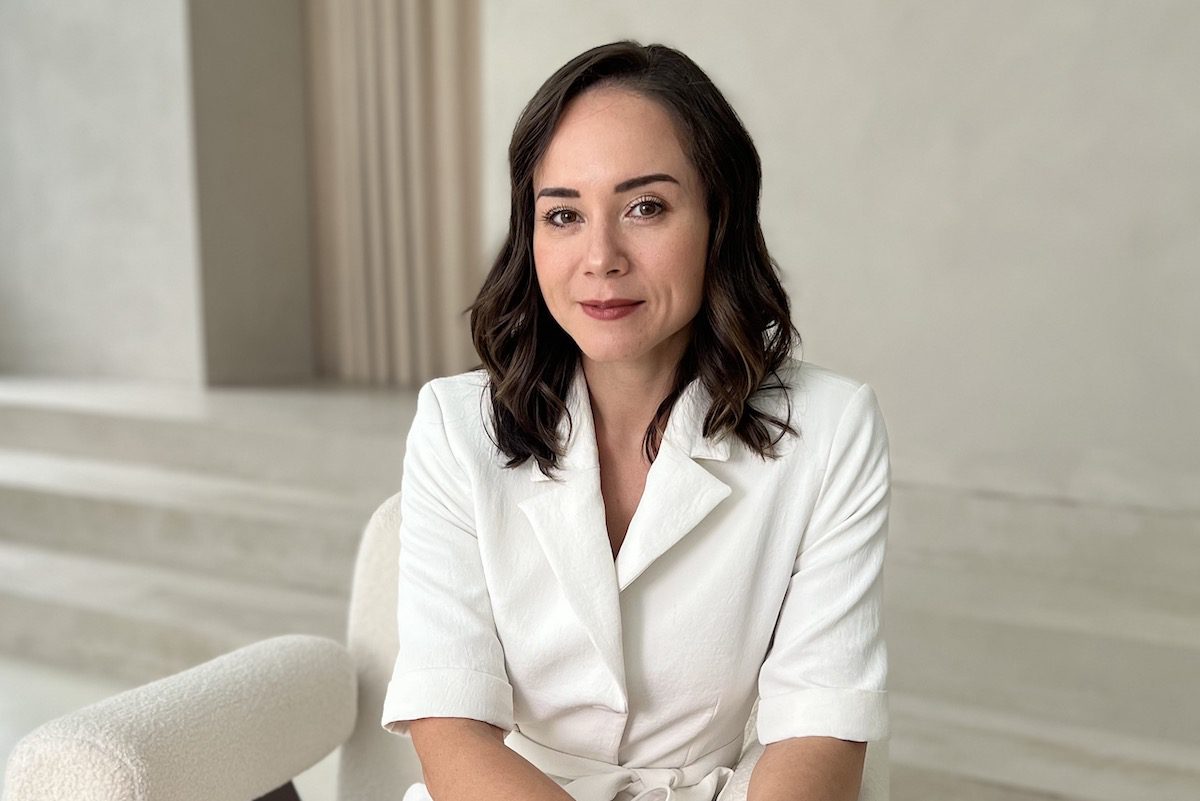
Samantha’s journey into the realm of egg freezing is a fascinating narrative that reflects the growing need among women who desire a safety blanket for their future family planning. The vivacious entrepreneur and actress’s decision to freeze her eggs stems from her desire for a safety blanket. Since she does not feel entirely ready to have children just yet, having her eggs frozen offers a comforting assurance. This is a choice she made after extensive contemplation and research, echoing the sentiments of many women in a similar situation. Understanding the egg freezing process Egg freezing is a method of preserving a woman’s fertility for the future. Eggs are harvested from the ovaries, frozen unfertilized, and stored for later use. When a woman is ready to become pregnant, the eggs can be thawed, fertilized, and transferred to the uterus as embryos. The whole process comprises three steps. First, Injectable fertility drugs are given to stimulate the ovaries to produce multiple eggs in one cycle. This typically takes around 10-14 days. Next, the eggs are retrieved from the ovaries through an ultrasound-guided needle inserted through the vagina. Sedation or anesthesia is used. Most women resume normal activities within a day or two. The retrieved eggs are flash frozen using a technique called vitrification and stored at sub-zero temperatures using special cryogenic equipment. When ready to become pregnant, the eggs are thawed and fertilized using IVF. After a few days of development, embryos are transferred to the uterus. Read our guide to egg freezing. Her preparation included reading up extensively on the subject, as well as visiting a clinic in Canada to undergo comprehensive testing, effectively arming herself with knowledge about the egg freezing process. Samantha ended up undergoing the egg freezing process not once, but twice. The first time, she adopted a stringent regimen of vitamins, exercise, and a balanced diet to prepare herself. The procedure itself was, surprisingly, less painful than she had anticipated. Samantha likened it to a particularly uncomfortable period cramp, with minimal post-procedure discomfort. The first round was a relatively smooth ride, marked by a sense of overall soreness. She retrieved nine eggs during her first round of egg freezing, but only seven of them were successfully frozen. This unexpected outcome led her to opt for a second round, highlighting the unpredictability of the process. However, Samantha’s second venture into egg freezing brought about a different experience. She found the discomfort to be more intense this time. When you think of the process of actually getting your eggs frozen, you conjure the story in your head of all the things you need to do. But it’s actually quite straightforward.” Her perspective underscores the importance of dispelling misconceptions and demystifying the procedure for others considering this option. The importance of mindset and moderation Samantha’s journey offers valuable insights into the emotional and mental aspects of egg freezing. Her friend’s advice, which she found invaluable, was not to engage in rigorous exercise when preparing for the process. The biggest thing, she discovered, is to be mindful of not being too strenuous on yourself. It’s a reminder that sometimes, the most significant preparation is taking care of your mental and emotional well-being, ensuring you’re in a positive mindset. Samantha also highlighted that while the physical aspects of egg freezing are crucial, maintaining a balanced and positive mindset is equally vital. It’s a reminder that the journey towards securing one’s fertility is not just about the body; it’s also about the mind and soul. Navigating uncertainty and emotional challenges One of the emotional aspects that Samantha grappled with was the uncertainty surrounding the quality of her eggs. Despite having the safety blanket, there’s still a lot of ambiguity and the inherent unpredictability of fertility preservation. Samantha undertook the process in Australia, where she had the invaluable support of her brother by her side throughout the journey. However, doing both rounds within just three months took quite a toll on her body. Samantha’s openness and honesty offer an authentic glimpse into the multifaceted world of egg freezing, reminding us that the path to securing one’s fertility is a blend of preparation, emotional fortitude, and acceptance of life’s unpredictable twists. The power of support and education Samantha’s journey reflects a significant theme of support and education. Her friends and family, even those with whom she wasn’t particularly close to, were remarkably supportive throughout her journey. Samantha’s story emphasises the importance of educating women about the egg freezing process, as she discovered that many women lack awareness on the subject. She firmly believes that knowledge is empowering, and wishes she had learned about it earlier in life. Samantha’s perspective is clear – the choice to freeze one’s eggs is not just a physical process but also an empowering one. It offers women the autonomy to make decisions about their futures on their terms, providing a sense of control that can be profoundly reassuring. While Samantha wished she could have undergone the process sooner, her journey was marked by a thoughtful decision-making process. She initially planned to have her eggs frozen in Canada but realized that the cost of transporting the eggs to Singapore would be equivalent to the cost of freezing them in Australia, leading her to change her plans. Embracing the decision to undergo egg freezing Samantha’s message is clear and resolute. “If you want to freeze your eggs, I think you should just do it. There is honestly no harm, and I think you should do it the sooner the better, as long as you have the means.” Her advice carries the weight of experience and the wisdom that comes from navigating the path to fertility preservation. Samantha’s journey exemplifies the power of choice and the significance of proactive decisions in shaping one’s future. Her words of encouragement echo through her story, offering women the assurance that it’s a step worth… Continue reading Samantha Hum’s Egg Freezing Advice

Real Stories
The numbers and clinic comparisons only tell you so much. These are first-hand accounts from women and couples who have frozen their eggs or been through IVF, some over many years.They share what the process was actually like, the decisions they had to make, what they would do differently, and what helped. One story covers male infertility, which rarely gets talked about.If one of these stories sounds like yours and you want to talk through your options, our care navigators are here.
A 6-Year IVF Journey: Patricia’s Path to Motherhood

Patricia’s decision to embark on the path of In Vitro Fertilization (IVF) wasn’t a snap one. It was driven by a combination of health concerns and a deep desire to expand her family. After attempting to conceive naturally for about a year and a half with no success, Patricia found herself at a crossroads. She was eager to become a mother, and IVF emerged as a promising option. Over the course of six years, Patricia went through a remarkable journey – undergoing six rounds of IVF. In each cycle, she managed to retrieve a respectable number of eggs, typically between 10 to 14. However, the quality of these eggs became the paramount challenge. Out of those six strenuous cycles came the heart-wrenching realization that despite her efforts, she had managed to store only one embryo. But that single precious embryo went on to become her beloved daughter, a testament to Patricia’s unwavering determination and resilience. Understanding the IVF process IVF is an assisted reproductive technology in which eggs are retrieved from a woman’s ovaries and fertilized by sperm in a lab. The resulting embryos are then transferred to the woman’s uterus. IVF allows couples to conceive a child when other methods have not been successful. The IVF process begins with fertility drugs to stimulate the ovaries to produce multiple eggs. Once mature, the eggs are retrieved through a minor surgical procedure. The eggs are then fertilized in a lab using the sperm. If fertilization is successful, the resulting embryos develop for 3 to 5 days before being transferred to the uterus. For more information read our definitive guide to IVF. The IVF rollercoaster While her high pain tolerance made the injections and egg retrieval more uncomfortable than painful, it was the mental and emotional aspects of her journey that left the deepest imprints. “The challenges of going through IVF are immense, really, both physically and mentally.” At the outset of her IVF journey, Patricia’s relative youth filled her with hope. Medical practitioners were optimistic, and she embarked on the journey with a sense of promise. As she began her first IVF cycle, Patricia’s meticulous research and preparation made the initial stages feel relatively straightforward. However, it was as the journey unfolded that complications began to emerge. Health issues, especially endometriosis, added a layer of complexity to her already challenging path. The discovery that none of her retrieved eggs resulted in viable embryos was a significant turning point. This shift in her IVF journey prompted the introduction of additional medications, scans, and surgeries, transforming her experience from what seemed like a well-mapped course into an unpredictable, meandering path. As the years passed, her hope turned into uncertainty, which soon gave way to disappointment, negativity and moments of depression. Mild depression became an unwelcome companion on her path to motherhood, further underscoring the emotional complexity of IVF. “I told my husband at some point that we should probably get a divorce because I did not feel worthy,” Patricia recalls. “My dream has always been to have a family and to be a mom, and when all the setbacks kept coming, I did not think that I could fulfil that dream.” She describes this as her lowest point as a woman, a moment when the dream of motherhood seemed to slip further from her grasp. The juggling act Adding to the emotional turmoil, Patricia was also diligently juggling a demanding full-time job. Her career as a headhunter in the digital and technology sector required her to be constantly on the go, meeting clients and candidates. Beyond the physical and emotional toll, IVF also posed a significant financial strain for Patricia. Opting for a private hospital added to the costs, and she candidly acknowledged the impact on her savings and retirement fund. It was a weighty decision, but Patricia’s unwavering determination to have a child of her own propelled her forward. Finding support in vulnerable moments In the midst of her six-year-long IVF journey, she experienced some of her darkest moments. In these trying times, Patricia’s partner, a quiet and private individual, became her rock. Though not one to openly express emotions, his unwavering support was a source of stability, offering the silent strength she needed. Having her partner actively participate in the IVF process was important to Patricia, so he took charge of administering the injections, taking an active role in this shared journey. It was a partnership in the truest sense, one that highlighted the importance of mutual involvement. “It was his presence that made the journey a lot easier,” Patricia emphasises. In the midst of IVF’s emotional upheavals, the simple act of being there became an invaluable source of comfort and support. The IVF community Navigating the complexities of IVF, Patricia sought solace in a surprising place – a virtual community. She discovered the power of the simple hashtag #IVFcommunity on Instagram. Through this online space, she connected with others who had experienced, or were experiencing similar challenges. Video calls and shared experiences became lifelines of connection and understanding. “It’s very difficult for anyone to understand what you are going through, unless they are undergoing the process themselves.” While the online IVF community provided invaluable support, Patricia also found strength in one or two friends who were on their own IVF journeys. They became pillars of strength, offering firsthand empathy and camaraderie. Navigating the IVF journey Patricia’s foremost advice for couples considering the IVF process is to be prepared for an emotional rollercoaster. “It is a journey, and it is easier said than done.” The emotional ups and downs, the disappointments, and the uncertainty can take a profound toll. Patricia’s words carry the weight of her own experiences, acknowledging that staying emotionally resilient throughout the journey can be challenging. She advises not to fixate solely on the outcome, as the IVF journey is inherently marked by its… Continue reading A 6-Year IVF Journey: Patricia’s Path to Motherhood
Rafidah’s IVF Experience: A Journey Through Male Infertility
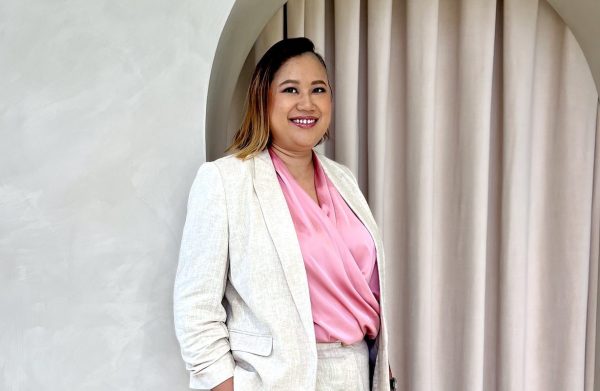
Meet Rafidah Jalil, an Edutech startup founder who embarked on a challenging in vitro fertilization (IVF) journey towards parenthood. Her inspiring story sheds light on the complexities and emotional rollercoaster that can accompany fertility struggles. But on the flip side, it also tells a tale of hope and resilience. Taking a plunge into the deep end When Rafidah was 31, she began trying for children. After a few months with no success, Rafidah and her husband decided to undergo a basic fertility check with a GP. The results left them deeply concerned and prompted them to seek the expertise of an IVF specialist. They discovered that Rafidah’s husband faced male infertility, with issues ranging from low sperm count to poor motility. The doctor’s recommendation was clear: if they wanted to have children, IVF was their best option. The couple decided to take the plunge and embarked on a journey that would see them through five IVF cycles. Rafidah was at the pinnacle of her banking career, and focusing on family building was a difficult choice. “I never thought in a million years that I would cast my career away and focus on having a baby.” It was a decision that would reshape her life, challenging her to prioritise the present over the future. One of her supporters wisely told her that while her career could wait, her biological clock could not. This is a sentiment that many women can relate to. Understanding the IVF process IVF is an assisted reproductive technology in which eggs are retrieved from a woman’s ovaries and fertilized by sperm in a lab. The resulting embryos are then transferred to the woman’s uterus. IVF allows couples to conceive a child when other methods have not been successful. The IVF process begins with fertility drugs to stimulate the ovaries to produce multiple eggs. Once mature, the eggs are retrieved through a minor surgical procedure. The eggs are then fertilized in a lab using the sperm. If fertilization is successful, the resulting embryos develop for 3 to 5 days before being transferred to the uterus. For more information read our definitive guide to IVF. Navigating the emotional ups and downs of IVF Rafidah shared that the journey through egg freezing and IVF can be a labyrinth to navigate, complicated by individual health conditions and unique issues faced by each couple. The process isn’t one-size-fits-all and is highly tailored to the specific circumstances of the individuals involved. This highlights the importance of becoming well-informed about the process to ensure you’re asking the right questions and not burdening yourself with unnecessary stress. Throughout her experience, Rafidah found that women are undeniably strong. However, it was the “mental pain” that came as an unexpected twist in her journey. The loss of control over such a crucial aspect of her life was profoundly challenging. It’s a struggle that many individuals facing fertility issues can resonate with — the emotional turmoil that accompanies the medical procedures and waiting for that precious, life-changing outcome. To aid her IVF journey, Rafidah shared that she did a lot of meditation, and also found herself turning to religion – a combination of faith and science. She also encouraged those who are going through a similar situation to not be afraid to seek help. “I realized that I needed professional help after I suffered a miscarriage. That is always available in the various hospitals and clinics, and it really helps to talk to a therapist and get help from a professional,” Rafidah shared. IVF as a shared journey In Rafidah’s remarkable IVF journey, her husband emerged as a central figure, providing unwavering support and grounding logic. While Rafidah navigated the emotional aspects and worked on being physically and mentally strong throughout the process, her husband played a vital role in maintaining a sense of balance. As she recounted her experience, Rafidah explained how her husband, a pillar of strength, delved into thorough research to better understand the intricacies of IVF. His commitment to comprehending the process was not just a personal endeavour; it was a way to provide support to Rafidah. She reflected on his dedication, saying, “He did the research so that he could support me in that. Not only that, he was there for all my appointments, all my checkups, he did all my shots. So it felt like we were in it together rather than I was doing it alone.” It was also during this time that Rafidah found a supportive global community of ladies that were also going through the IVF process, which was a game changer for her. While her friends were extremely supportive, there was “something different” in talking to someone who was going through the exact same process. At the same time, she was very heartened that her employers and colleagues were also supportive of her undergoing the IVF process. “Even though they might not be completely aware of the IVF process, they knew why I was doing it and gave me all the support I needed… Especially since I was away from work for long periods of time.” The strength of women In a heartfelt reflection, Rafidah revealed that her IVF journey speaks volumes about the strength of women. She marveled at how enduring the female body can be when faced with procedures from hormone shots to the eventual birthing process. “I was surprised at how much my body could take,” she shared. This sentiment echoes the awe-inspiring resilience that women often exhibit, not just during IVF but in the daily trials they face. “I was surprised at how much my body could take. Women go through pain every month and we act like it’s no big deal — We go on with our lives.” This unwavering determination and ability to persevere through discomfort is an attribute that countless women share as they navigate the path to parenthood. Rafidah’s message to fellow women on a similar journey… Continue reading Rafidah’s IVF Experience: A Journey Through Male Infertility
Beverly Wee’s Egg Freezing Story

Like many women today, 34-year-old Bevelry found herself at a crossroads between growing her career and the desire to have control over her fertility and biological clock. Her journey into egg freezing wasn’t born overnight but was a decision that matured over the years. The real estate agent first contemplated the idea of egg freezing when she was 29. It was a pivotal age where the prospect of family planning began to intertwine with her personal and professional aspirations. She intended to start the process at 32, but her plans were thwarted by Singapore’s legal restrictions and the COVID-19 pandemic. It wasn’t until 2023 when egg freezing became legally accessible in Singapore that she decided to take the plunge. Understanding the egg freezing process Egg freezing is a method of preserving a woman’s fertility for the future. Eggs are harvested from the ovaries, frozen unfertilized, and stored for later use. When a woman is ready for pregnancy, the eggs can be thawed, fertilized, and transferred to the uterus as embryos. The whole process comprises three steps. First, Injectable fertility drugs are given to stimulate the ovaries to produce multiple eggs in one cycle. This typically takes around 10-14 days. Next, the eggs are retrieved from the ovaries through an ultrasound-guided needle inserted through the vagina. Sedation or anesthesia is used. Most women resume normal activities within a day or two. The retrieved eggs are flash frozen using a technique called vitrification and stored at sub-zero temperatures using special cryogenic equipment. When ready to become pregnant, the eggs are thawed and fertilized using IVF. After a few days of development, embryos are transferred to the uterus. For more information read our guide to egg freezing. Navigating the egg retrieval process: A bump in the road The egg retrieval process, Bevelry recalls, was remarkably quick and straightforward. Lasting only around 10 minutes, it seemed almost like a blink of an eye. While she experienced some discomfort over the next four days, it quickly dissipated. In her first egg retrieval, Bevelry managed to retrieve a total of 14 eggs. This triumph was met with a touch of disappointment – only six were deemed viable for potential use. I was slightly disappointed because I thought that most of my eggs would be viable, but they ended up throwing eight away. I was also concerned that six might not be enough for a successful pregnancy in the future, so I would have to go through more cycles.” This was a pivotal moment for Bevelry, as she began to contemplate the financial implications of undergoing additional cycles. It’s an aspect of the egg freezing journey that often takes centre stage after the initial procedure, as the journey towards securing one’s fertility continues. Financial planning for egg freezing: A necessary step Bevelry highlights the financial considerations tied to egg freezing – she believes that for anyone contemplating this journey, the first step should be to set up a solid financial plan. It’s not just about the cost of the procedure itself, but also the associated expenses, including consultations, medications, and any additional cycles that may be needed. She advises setting a clear budget for egg freezing and then working backward to determine how to achieve that financial goal. By having a financial strategy in place, individuals can embark on the egg freezing journey with greater confidence, knowing they have the means to pursue their family planning goals. Understanding the value of egg freezing While the actual egg freezing process was surprisingly smooth, she encountered objections and surprise from friends and family who questioned her decision to postpone childbirth. They could not fathom why she would not seize the opportunity to have children while she was young and healthy. Despite the initial skepticism, Bevelry remained resolute. She patiently explained her choice to her loved ones, reinforcing her conviction that egg freezing was the path she wanted to take. When she finally embarked on this journey, her friends and family rallied behind her, showing their support and genuine concern. Bevelry recognises that the concept of egg freezing is still relatively new and unfamiliar in Singapore. Many may not fully comprehend the reasons behind this procedure, leading to misconceptions that it’s a frivolous pursuit. However, Bev firmly believes in the emotional and psychological relief that egg freezing can offer. She emphasises the importance of educating the public about the profound significance of this process. Bev’s perspective aligns with the idea that when people understand the emotional and psychological reassurance it can provide, egg freezing becomes all the more worthwhile. Her advocacy underlines the need for increased awareness and understanding of fertility preservation options, shedding light on the deeply meaningful impact they can have on individuals’ lives. Building a web of support Bevelry’s egg freezing journey wasn’t a solitary one; it was fortified by a robust support system, with her partner playing a central role. She reflects on his support, sharing that he was there for her throughout every step of the process – from the initial consultation to the doctor to the actual egg retrieval process. Bevelry cherishes her partner’s dedication to understanding the egg freezing process. It wasn’t just a matter of being physically present; it was about being emotionally engaged, willing to comprehend the intricacies of the procedure, and offering reassurance during moments of doubt or discomfort. “My partner is very supportive of the egg freezing process. He was with me throughout the entire process, during the first consultation, all the way to the doctor’s scan and the egg retrieval process.” shared Bevelry. His involvement played a pivotal role in minimising the emotional toll that the journey can often bring. Throughout Bevelry’s egg freezing journey, she found herself enveloped in a cocoon of support from friends and family. Her loved ones sent texts daily, and her friends connected her with other women who had undergone the process. This network of women became… Continue reading Beverly Wee’s Egg Freezing Story
Karin’s Egg Freezing Journey: Choice and Empowerment
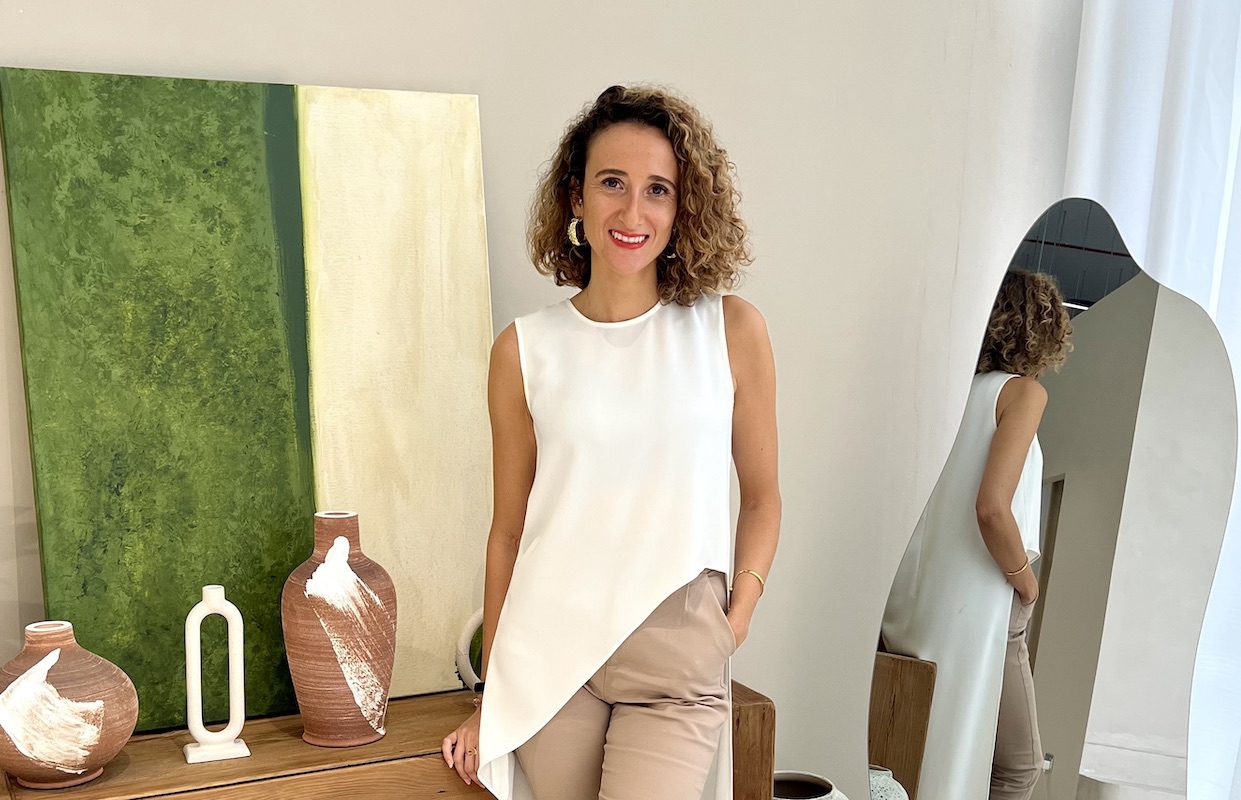
After two long years of life being at a standstill due to the COVID-19 pandemic, Karin Del Rey embarked on a unique journey of self-discovery when she decided to freeze her eggs. Her story transcends the medical procedure, illuminating personal empowerment and choice in a world of opportunities and change. At the time when Karin took this significant step, the world was beginning to see the light at the end of the Covid-19 tunnel. Karin had previously lived in South Africa and had always yearned to return. When the president of South Africa announced the country’s reopening, it was a light bulb moment for her and a catalyst for her decision. She recalls thinking, “Oh, wow, you know, I can do things again.” Karin’s life was on the cusp of a new adventure. She was about to start a new job and move to Asia, and the potential for personal and professional growth was huge. But, this meant that her journey to family-building might take some time. The 34-year-old investor grew up in Barcelona, living in close proximity to an egg freezing clinic. This was where she chose to preserve her fertility and safeguard the possibility of motherhood for a later day. Her friends had already undergone the egg freezing process and had positive experiences. This gave her the confidence and motivation to go ahead with the egg freezing procedure. Despite the straightforward process, Karin experienced heightened emotions as a side effect of the hormone injections. Understanding the egg freezing process Egg freezing is a method of preserving a woman’s fertility for the future. Eggs are harvested from the ovaries, frozen unfertilized, and stored for later use. When a woman is ready for pregnancy, the eggs can be thawed, fertilized, and transferred to the uterus as embryos. The whole process comprises three steps. First, Injectable fertility drugs are given to stimulate the ovaries to produce multiple eggs in one cycle. This typically takes around 10-14 days. Next, the eggs are retrieved from the ovaries through an ultrasound-guided needle inserted through the vagina. Sedation or anesthesia is used. Most women resume normal activities within a day or two. The retrieved eggs are flash frozen using a technique called vitrification and stored at sub-zero temperatures using special cryogenic equipment. When ready to become pregnant, the eggs are thawed and fertilized using IVF. After a few days of development, embryos are transferred to the uterus. For more information read our guide to egg freezing. The egg freezing journey: fertility as a part of identity Karin shared that the physical process of egg freezing was straightforward – a testament to modern medical science’s prowess. But what she didn’t anticipate was the emotional rollercoaster that awaited her. For the first time, fertility became an integral part of her identity as a woman, and it was a challenging realization. The path to egg freezing made her confront feelings of vulnerability and self-doubt, emotions that had never loomed so large in her life. The doctors had told her that 12 to 15 eggs was a good number, and they had expected 13 for her. However, at the end of the day, she got six eggs. “I spent a couple of days extremely sad, I felt angry at myself and my body for not being able to get enough eggs at the time. It made me feel like a bit of a failure.” She later realised that while the people she had previously spoken to had managed to retrieve many eggs, her experience was not unique to her. “After I started telling more people, I realized that many had also gotten less eggs, and it was way more common than I expected,” she shared. Embracing emotional resilience and a support system Karin’s friends and family were key players in her egg-freezing journey. She confided a lot in her friends and family, who were very supportive throughout the whole process. She also told her colleagues at work about what she was going through, since she knew that she might not have felt 100% at work. “I was surprised by how supportive everyone was. They asked me a lot of questions, and I explained the whole process to them. I’m hoping that when they come across another woman who’s doing the same thing, they will be more accepting,” she said. Karin also embraced self-compassion. She practiced kindness with herself, acknowledging the unique challenges she was facing. Her ability to combine open conversations with her inner resilience allowed her to navigate the emotional complexities of egg freezing. “I talked to lots of people. Talk to people who have done it. Find out if the process is right for you because it might not be for you.” Karin also emphasised the importance of ensuring that one is relaxed and surrounded by supportive people before undergoing the process of egg freezing. It’s a personal journey, and the environment plays a crucial role. The egg freezing process can be physically and emotionally demanding. So, making time for rest is important, especially in our fast-paced society. Engaging in regular exercise and practicing mindfulness techniques, can aid in nurturing your mental well-being and enhancing your overall experience. “Most importantly, be kind to yourself,” Karin stressed. She recognised that fertility preservation is not a competition. “There’s no expectation to perform at your best, and you can’t control everything. It’s about finding the right path for you at your own pace.” In a constantly changing world, Karin’s story serves as a reminder that modern women have the power to shape their destinies. It’s not just about egg freezing but making choices that align with their dreams and aspirations. Karin’s journey is a testament to the strength and resilience of women who navigate the complex path of fertility preservation. It’s about empowerment, choices, and embracing the future with open arms. Read more about other egg freezing success stories here. … Continue reading Karin’s Egg Freezing Journey: Choice and Empowerment