
How PCOS affects fertility There are three pathways that PCOS can impact your ability to become pregnant: anovulation, Insulin Resistance, and elevated androgen (male hormone) levels. Anovulation means that even though your ovaries still have eggs in them, the hormonal balance does not allow them to mature as needed to ovulate, which is the reason PCOS is the most common cause of anovulation. Insulin resistance has been established as a significant part of all three pathways involved in how PCOS affects reproductive hormones. Insulin resistance is now recognised as a defining characteristic of PCOS and a major factor in the development of PCOS, as well as a contributor to infertility from anovulation and miscarriage, as well as to the development of reproductive problems, including anovulatory infertility. An increase in androgens due to elevated levels of insulin in the current body of research is directly correlated with interfering with the development and release of eggs and the potential for small cysts on the ovaries, further hindering fertilization and causing additional complications during pregnancy. Thirdly, the quality of eggs affects fertility as well. Eggs released from the ovaries of women who have PCOS and/or are insulin resistant have lower maturity, fertilization, and embryo development compared to women who do not have these conditions, and therefore, even when ovulation occurs, they may be at an increased risk for failure to conceive. It is very promising that insulin resistance is highly responsive to treatment. Even losing a small amount of weight may significantly improve fertility for women with PCOS. Can you get pregnant naturally with PCOS? It is important to state clearly that there is some confusion and misinformation about PCOS and that it can sometimes be difficult for a woman with PCOS to conceive her own child. While having PCOS may impact the time it takes to conceive, it does not mean a woman with PCOS cannot get pregnant. Evidence shows that more than 60% of women with PCOS can spontaneously ovulate within months if they improve their lifestyle changes and lose weight. Once a woman starts to ovulate, her chance of conceiving is about the same as that of other women. Therefore, if a woman can lose just 5-10% of her total body weight (if she is overweight), there will be a significant improvement in her ability to get regular periods and to ovulate. This is a realistic goal that is attainable, not something that requires a lot of effort and change. If you have PCOS, tracking your fertile window is even more critical because your cycles are not as regular; your cycles may vary in length and in terms of ovulation timing. There are many ways you can utilise cycle tracking to determine when you may be fertile, even when cycles are not consistent, such as using a basal body temperature chart, ovulation predictor kits, and monitoring your cervical mucus. However, since ovulation occurs later on in the cycle of a woman with PCOS, using two or three tracking methods will give you a better picture of your chances of becoming pregnant than using only one method. Your chances of getting pregnant naturally are the highest when you have been having your periods consistently, regardless of how much variation there has been in their lengths, and when you have properly managed your overall metabolic health. You can manage your metabolic health by maintaining balanced nutrition, exercising regularly, and managing your stress and sleep according to what works best for you. If you have made a consistent effort for six months to a year to become pregnant but have not yet succeeded, you should contact a medical professional to help with your efforts instead of making further attempts to get pregnant on your own. Medical treatments to help you ovulate If lifestyle changes are not restoring your ovulation, several available well-studied medications may help. The most recent data clearly show one of these medications to be the preferred treatment. Letrozole continues to be supported as the preferred first-line medication for initiating ovulation. Letrozole is more effective than clomiphene citrate in inducing ovulation and live birth rates. A large meta-analysis that included over 4,200 women found that letrozole increased pregnancy rates when compared with clomiphene by more than 57% (the statistical significance of this finding has resulted in many fertility guidelines now recommending letrozole as the first choice). Clomiphene citrate (Clomid) continues to be an established alternative and is still prescribed frequently. Approximately 80% of women with PCOS who are treated with clomiphene citrate will successfully ovulate; approximately 50% of those women will conceive without assistance within six cycles. Metformin functions in an alternative way to induce ovulation; its mechanism is to enhance the body’s reaction to insulin, thereby assisting with the establishment of normal ovulatory cycles over a period of time. Metformin can be especially beneficial to insulin-resistant women, and it is frequently prescribed in conjunction with other therapies rather than by itself. Inositol is a naturally occurring substance that has been used to improve ovulation via insulin sensitivity, and it is sometimes used together with or before the use of pharmaceuticals. Your doctor will assess your hormone level, body weight, and response to date and recommend the best starting point for treatment. When to Move to IUI or IVF Women who have not conceived after multiple rounds of ovulation induction (either with letrozole or clomiphene) often move to more invasive forms of assistance (either intrauterine insemination (IUI) or in vitro fertilization (IVF)). Timing is dependent upon specific criteria. Most providers suggest three cycles of IUI for women suffering from Polycystic Ovary Syndrome (PCOS) before beginning IVF, because research indicates that most successful IUI pregnancies occur within the first three cycles for women with PCOS. The IUI process involves the insemination of prepared sperm (previously washed) directly into the uterus during ovulation; this makes it less invasive than IVF and also less costly than IVF; therefore, the use of IUI as a middle approach between just using ovulation induction and beginning… Continue reading PCOS and Fertility: Getting Pregnant with Polycystic Ovary Syndrome

PCOS
PCOS is one of the most common hormonal conditions in women of reproductive age (World Health Organization). It shows up differently in almost everyone who has it, which is one reason it often goes undiagnosed for years.These guides explain what PCOS is, the early symptoms, how doctors diagnose it, and how it differs from endometriosis and thyroid problems. We cover the practical side too: diet, birth control, tracking ovulation when your periods are irregular, and managing excess hair growth.If you’re thinking about pregnancy or egg freezing, read our guides to PCOS and fertility first, because treatment protocols are often adjusted for women with PCOS. For help finding a doctor in Singapore, contact our team.
Thyroid vs PCOS: Identifying and Treating Hormone Imbalance

If you’re experiencing hormonal imbalances, you may be wondering whether it’s due to PCOS (polycystic ovary syndrome) or a thyroid condition. Both conditions share similar symptoms, such as irregular periods, weight gain, fatigue, and mood swings, making it difficult to pinpoint exactly what’s happening in your body. Understanding the difference between PCOS and thyroid issues is essential for proper diagnosis and treatment. In this article, we’ll compare PCOS and thyroid problems, discuss their common symptoms, and explore how you can differentiate between them to get the right treatment. What is PCOS? PCOS is a hormonal disorder that affects women of reproductive age, with symptoms including irregular periods, ovulatory dysfunction, and excess androgens (male hormones like testosterone). While the exact cause of PCOS is still unclear, it is often linked to insulin resistance and genetic factors. Key Symptoms of PCOS: Irregular periods or absence of menstruation Excess hair growth (hirsutism) on the face, chest, or back Acne and oily skin Thinning hair or male-pattern baldness Infertility or difficulty getting pregnant. Weight gain, particularly around the abdomen PCOS is diagnosed based on clinical symptoms, hormonal tests (such as measuring LH, FSH, and testosterone), and ultrasound imaging to check for the presence of polycystic ovaries. What is a Thyroid Disorder? The thyroid is a small, butterfly-shaped gland in the neck that produces hormones that regulate metabolism, growth, and energy levels. The two most common thyroid conditions are hypothyroidism (underactive thyroid) and hyperthyroidism (overactive thyroid). Both conditions affect the balance of thyroid hormones, which can disrupt metabolism and lead to a variety of symptoms. Key Symptoms of Thyroid Disorders: Fatigue or feeling constantly tired Weight gain (more common with hypothyroidism) or weight loss (more common with hyperthyroidism) Dry skin or hair loss Mood changes, such as depression (with hypothyroidism) or anxiety (with hyperthyroidism) Irregular periods or absence of menstruation Cold intolerance (hypothyroidism) or heat intolerance (hyperthyroidism) Enlarged thyroid gland (goitre) A thyroid disorder is typically diagnosed with a blood test that measures levels of TSH (thyroid-stimulating hormone), T3, and T4 hormones. How PCOS and Thyroid Disorders Overlap PCOS and thyroid conditions can share many overlapping symptoms, making it difficult to distinguish between them without proper testing. Both conditions can lead to weight gain, fatigue, irregular periods, and mood changes. However, there are some key differences in how these conditions manifest, and understanding these can help you figure out whether your symptoms are related to PCOS, a thyroid disorder, or both. Similar Symptoms of PCOS and Thyroid Disorders: Irregular periods or absent menstruation Fatigue or feeling tired all the time Weight gain (more prominent with PCOS due to insulin resistance and hormonal imbalances) Mood changes such as anxiety and depression Dry skin, hair loss, or changes in hair texture Key Differences Between PCOS and Thyroid Disorders: Hormonal Imbalance: PCOS is typically caused by elevated androgens (male hormones), such as testosterone, which leads to hirsutism, acne, and thinning hair. In thyroid disorders, the imbalance affects thyroid hormones (T3 and T4), which influence metabolism and energy levels. Ovulation and Fertility: PCOS is commonly associated with ovulatory dysfunction, making it a leading cause of infertility in women. Thyroid disorders can also lead to irregular ovulation, but fertility issues are usually secondary to the thyroid imbalance itself. Energy Levels: Women with hypothyroidism (underactive thyroid) tend to feel tired, cold, and sluggish. Women with hyperthyroidism (overactive thyroid) may feel restless, have trouble sleeping, or experience increased anxiety. How to Differentiate Between PCOS and Thyroid Issues If you’re unsure whether your symptoms are caused by PCOS or a thyroid condition, it’s important to consult a doctor and undergo the appropriate tests. Blood tests are the most reliable way to diagnose thyroid disorders, while ultrasound imaging and hormonal tests are typically used to diagnose PCOS. Key Tests for PCOS: Pelvic ultrasound to check for polycystic ovaries. Blood tests to measure testosterone, FSH, and LH levels. Key Tests for Thyroid Disorders: Blood tests to measure TSH, T3, and T4 levels. Ultrasound to check for an enlarged thyroid gland (goitre). If your test results show that you have both PCOS and a thyroid issue, it’s possible to have both conditions at the same time, which may require combination treatments to address both hormonal imbalances. Thyroid issues and PCOS share many symptoms, but the underlying causes are different. It’s essential to get accurate testing to understand what’s happening in your body and how to manage it effectively. Final Thoughts Both PCOS and thyroid disorders can have a significant impact on your hormonal health. While they share some overlapping symptoms, understanding the key differences and undergoing the proper diagnostic tests is crucial to identifying the root cause of your symptoms. Whether you’re dealing with PCOS, a thyroid condition, or both, the good news is that proper treatment can help manage symptoms, improve your health, and increase your chances of conception if needed. Work closely with your doctor to monitor your hormonal health and choose the right treatment options based on your needs. Frequently Asked Questions Sources: Mayo Clinic American Thyroid Association National Institutes of Health (NIH) On Zora Learn Medical Treatments for PCOS A short, medically reviewed module. The first chapter is free to read; the rest is included with a Zora subscription. Read the first chapter
PCOS and Birth Control: Effects on Symptoms and Treatment

If you’ve been diagnosed with polycystic ovary syndrome (PCOS), you’ve probably heard that birth control can help manage some of its symptoms. But is it a solution or just a way to mask the problem? While birth control can regulate periods, reduce acne, and control hirsutism (excess hair growth), it doesn’t necessarily address the root causes of PCOS, such as insulin resistance or hormonal imbalances. In this article, we’ll explore how birth control works in the context of PCOS, its benefits and limitations, and whether it’s a long-term solution. What Does Birth Control Do for PCOS? Birth control pills, especially combined oral contraceptives (COCs), are commonly prescribed to women with PCOS to manage symptoms. The hormonal components of these pills, oestrogen and progestin, work together to regulate menstrual cycles, reduce androgen levels, and help manage skin issues like acne and hirsutism. Benefits of Birth Control for Women with PCOS: Regulates Periods: One of the most significant benefits of birth control for women with PCOS is its ability to regulate irregular periods. Since PCOS often leads to anovulation (lack of ovulation), taking birth control can help provide a regular, predictable cycle. Reduces Androgens: High levels of androgens (male hormones like testosterone) are common in PCOS, and they contribute to symptoms like hirsutism and acne. Birth control works by lowering androgen levels, leading to fewer unwanted hairs and clearer skin. Improves Acne and Hirsutism: The reduction in androgen levels can significantly improve acne and reduce excess facial and body hair for women with PCOS. This is one of the reasons why birth control is frequently prescribed for PCOS management. Protects Against Endometrial Cancer: Women with PCOS who have infrequent periods are at an increased risk for endometrial hyperplasia (an overgrowth of the uterine lining), which can lead to endometrial cancer. Taking birth control can help reduce this risk by ensuring regular shedding of the uterine lining. Limitations of Birth Control for PCOS While birth control offers several benefits for managing PCOS symptoms, it does not address the underlying causes of the condition, such as insulin resistance or hormonal imbalance. Here are some of the key limitations to consider: 1. Does Not Solve Insulin Resistance: One of the key features of PCOS is insulin resistance, where your body has trouble responding to insulin, leading to higher levels in the bloodstream. Insulin resistance is a major contributor to weight gain and other symptoms of PCOS. However, birth control does not address this issue. Lifestyle changes such as diet, exercise, or medications like Metformin may be necessary to improve insulin sensitivity. 2. Can Mask Fertility Issues: For women with PCOS trying to conceive, birth control may mask ovulatory dysfunction and fertility issues. While birth control helps regulate periods, it does not promote ovulation. In fact, when women stop taking birth control, they may have difficulty ovulating due to the underlying PCOS. Therefore, birth control should not be viewed as a long-term solution for women trying to conceive. 3. Doesn’t Treat Underlying Hormonal Imbalance: While birth control can regulate hormonal levels temporarily, it doesn’t treat the root causes of PCOS, the hormonal imbalances that contribute to symptoms like infertility, irregular cycles, and excessive hair growth. Some women may experience a return of symptoms when they stop taking birth control, highlighting that it’s a temporary fix rather than a permanent solution. 4. Possible Side Effects: Though birth control is generally considered safe, it can have potential side effects, such as: Mood changes or depression Weight gain Blood clots (especially for women who smoke or are over 35) Nausea or headaches These side effects may make birth control an unsuitable option for some women with PCOS. What Are the Alternatives to Birth Control for Managing PCOS? For women who are looking for alternatives to birth control, there are several treatment options to manage PCOS symptoms and address the underlying causes. Here are a few alternatives: 1. Lifestyle Changes: Diet: Following a low-glycemic index (GI) diet can help manage insulin resistance and control weight. Foods like whole grains, leafy vegetables, and lean proteins are beneficial for regulating blood sugar levels. Exercise: Regular physical activity, particularly strength training and cardio, can help improve insulin sensitivity, reduce stress, and promote weight loss. 2. Metformin: Metformin is a medication that is commonly used to treat type 2 diabetes but is also effective for managing PCOS. It helps improve insulin sensitivity, reduces insulin levels, and can help regulate ovulation in women with PCOS. 3. Other Medications: Spironolactone: This medication is an anti-androgen that can help reduce hirsutism (excess hair growth) and acne by blocking the effects of testosterone. Clomid or Letrozole: These medications are often used for ovulation induction in women with PCOS who are trying to conceive. 4. Fertility Treatments: For women with PCOS who are struggling with fertility, options like IUI (intrauterine insemination) or IVF (in vitro fertilization) may be recommended to improve the chances of conception. Birth control is a helpful tool in managing PCOS symptoms, but it should not be relied upon as a long-term solution. It’s essential to address the underlying causes of PCOS, such as insulin resistance, if you want to improve your overall health and fertility. Final Thoughts Birth control can be an effective way to manage some of the symptoms of PCOS, such as irregular periods, acne, and excess hair growth. However, it is important to understand that it does not address the root causes of PCOS, such as insulin resistance and hormonal imbalances. For women with PCOS who are trying to conceive, birth control is not a solution and should be carefully considered in consultation with a healthcare provider. Whether you choose to use birth control or explore alternative treatments, it’s important to work with a doctor to develop a treatment plan that addresses both your symptoms and long-term health goals. Call to Action 👉 Not sure if birth control is right for your PCOS? Take our free 3-minute symptom checker to assess your symptoms and get personalised recommendations for managing your PCOS. Sources: Mayo Clinic American… Continue reading PCOS and Birth Control: Effects on Symptoms and Treatment
Best PCOS Diets: Nutrition Tips for Managing Symptoms

Living with polycystic ovary syndrome (PCOS) often means managing a range of symptoms, from irregular periods to acne and weight gain. One of the most talked-about ways to manage PCOS is through diet. But with so many different PCOS diets out there, it can be difficult to separate fact from fiction. You’ve likely come across countless diet plans that promise to cure or manage PCOS, but which ones work? In this article, we’ll examine the science behind PCOS diets, identify foods that may help improve symptoms, and debunk common diet myths that may not be as effective as they claim to be. What Makes Diet So Important for PCOS? Diet plays a crucial role in managing PCOS, as insulin resistance is one of the primary causes of the condition. Insulin resistance means your body doesn’t respond as efficiently to insulin, causing higher insulin levels in the blood. This can lead to weight gain, acne, excessive hair growth, and more. The right diet can help regulate insulin levels, manage weight, and improve overall hormonal balance, leading to better menstrual cycles, reduced symptoms, and improved fertility. However, not all diets are created equal. Understanding which foods can help improve insulin sensitivity and support hormonal health is key to managing PCOS effectively. What Works: PCOS-Friendly Foods and Diets 1. Low Glycemic Index (GI) Diet A low glycemic index (GI) diet focuses on foods that don’t spike your blood sugar levels too quickly. High-GI foods, like white bread, pastries, and sugary snacks, cause blood sugar spikes, which can worsen insulin resistance. Conversely, low-GI foods, such as whole grains, fruits, and vegetables, help stabilize blood sugar and insulin levels, which can improve PCOS symptoms. Low-GI Foods for PCOS: Whole grains: Brown rice, quinoa, barley, and whole wheat pasta. Fruits and vegetables: Berries, leafy greens, sweet potatoes, and carrots. Legumes: Lentils, chickpeas, and black beans. Healthy fats: Avocados, olive oil, and nuts. Why it Works: A low-GI diet helps keep blood sugar stable, reduces insulin spikes, and may assist with weight loss and fertility in women with PCOS. 2. Anti-Inflammatory Diet Women with PCOS often experience low-grade inflammation, which can contribute to symptoms like acne, hair loss, and fertility issues. An anti-inflammatory diet can help reduce this inflammation and improve symptoms over time. Foods to Include in an Anti-Inflammatory Diet: Fatty fish: Salmon, mackerel, sardines, and trout are rich in omega-3 fatty acids, which have strong anti-inflammatory properties. Berries: Blueberries, strawberries, and raspberries are packed with antioxidants that help fight inflammation. Nuts and seeds: Walnuts, flaxseeds, and chia seeds are excellent sources of healthy fats and anti-inflammatory compounds. Turmeric and ginger: Both spices have been shown to reduce inflammation. Why it Works: Reducing inflammation can help improve hormonal balance, support fertility, and reduce PCOS symptoms like acne and pain. 3. Mediterranean Diet The Mediterranean diet emphasises fresh fruits, vegetables, whole grains, lean proteins, and healthy fats, including olive oil and fish. This diet has been shown to reduce insulin resistance and inflammation, making it an excellent option for managing PCOS. Foods to Focus On: Leafy greens and vegetables: Spinach, kale, and broccoli. Healthy fats: Olive oil, avocados, and nuts. Whole grains: Brown rice, quinoa, and farro. Fish: Salmon, sardines, and tuna. Legumes: Lentils, chickpeas, and beans. Why it Works: The Mediterranean diet is rich in anti-inflammatory foods that support insulin sensitivity, help manage weight, and improve overall heart health, an important factor for women with PCOS, who are at increased risk for cardiovascular disease. What Doesn’t Work: Diet Myths to Avoid 1. The Keto Diet The Keto diet, high in fat and low in carbohydrates, has gained popularity as a weight-loss strategy. While it can lead to quick weight loss, it may not be the best long-term solution for managing PCOS. The extremely low-carb nature of the Keto diet may disrupt hormonal balance in some women and increase insulin resistance. Why It Might Not Work: The Keto diet may lead to nutrient deficiencies due to its restrictive nature. It can be difficult to maintain long-term and may cause energy dips and irritability, which are not ideal for PCOS management. 2. The High-Protein Diet While a high-protein diet can support muscle growth and weight loss, it is not necessarily the best approach for women with PCOS, especially when it lacks a balance of other nutrients like healthy fats and complex carbohydrates. Women with PCOS need a diet that includes a variety of nutrient-dense foods to support hormonal balance and insulin sensitivity. Why It Might Not Work: Excess protein can be taxing on the kidneys and may lead to nutrient imbalances. It may not provide enough energy for the body to balance blood sugar and hormones. 3. The Vegan Diet for PCOS While a plant-based diet can offer many health benefits, including reducing inflammation and improving digestion, it may not be the best fit for everyone with PCOS. Without proper planning, vegan diets, like iron, vitamin B12, and omega-3 fatty acids, can be low in certain nutrients critical for PCOS. Why It Might Not Work: Vegan diets can be low in protein and healthy fats, which are important for hormone production. It may require careful planning to ensure that you are getting enough of the right nutrients to support insulin sensitivity. “Managing PCOS with diet is about finding balance, not following trends. The best diet for PCOS is one that addresses insulin resistance, reduces inflammation, and supports hormonal health over the long term.” Final Thoughts When it comes to managing PCOS through diet, there is no one-size-fits-all approach. While low-GI, anti-inflammatory, and Mediterranean diets have shown the most promise in supporting insulin sensitivity, managing PCOS symptoms, and improving overall health, it’s important to remember that PCOS is an individualized condition. Adopting a balanced, nutrient-rich diet that suits your lifestyle, along with regular exercise, stress management, and medical support, is key to managing PCOS effectively. Always consult with a healthcare provider or nutritionist to develop a plan tailored to your specific needs. Call to Action 👉 Looking for personalised nutrition advice for managing PCOS? Take our free… Continue reading Best PCOS Diets: Nutrition Tips for Managing Symptoms
Tracking Ovulation With PCOS: What Actually Works

Standard ovulation predictor kits – OPKs – often produce false positive results in women with PCOS. This is due to hormonal factors, since those with the condition usually have a persistently high level of baseline LH. Because OPKs detect LH only when it rises above a certain level, they can’t distinguish between this high baseline and a true ovulatory surge. As a result, you may get several positive readings during the cycle even without ovulation. Therefore, if you have PCOS and have been using standard OPKs to track your ovulation, your results might be considerably less reliable than you believe. Are You Ovulating? Confirming It First Day 21 Progesterone The most reliable way for you to confirm ovulation is with a mid-luteal serum progesterone test. If your cycle is 28 days, you would take this test on day 21. If your cycle is longer or shorter, aim for about 7 days after you think you have ovulated. A progesterone level above 16 to 30 nmol/L means you have ovulated. If you have PCOS or irregular cycles, take the test 7 days after you notice a temperature shift or get a positive ovulation predictor kit result, instead of following the calendar. What an Anovulatory Cycle Looks Like If you have an anovulatory cycle, your body does not release an egg. You might still get a period, but it happens because your oestrogen levels drop, not because of progesterone. Signs you are not ovulating include irregular or unpredictable cycles, no sustained temperature rise on your BBT chart, no fertile-quality cervical mucus, and a low day 21 progesterone result. About two-thirds of women with PCOS do not ovulate regularly. That is why it is so important to confirm ovulation before you start tracking your cycles. Why PCOS Makes Tracking Harder PCOS changes the usual hormone pattern of your menstrual cycle. If you have PCOS, your levels of luteinising hormone (LH) are often higher than normal. This can make it harder for your eggs to mature and for ovulation to happen. Insulin resistance, higher androgens, and an unusual balance between LH and follicle-stimulating hormone (FSH) can all affect your cycle. Your periods might be longer, shorter, or sometimes not come at all. Even when you do ovulate, it may not follow a regular pattern. You might ovulate on day 20, day 40, or skip ovulation in some cycles. Because of these changes, tracking methods designed for regular 28-day cycles may not work well with PCOS. Methods That Work With PCOS BBT Charting Taking a basal body temperature reading lets you detect a sustained temperature increase, typically 0.2 to 0.5 °C, after ovulation. This increase is due to the hormone progesterone. In PCOS, BBT charting is more useful for confirming that ovulation has already occurred than for predicting when it will happen, since the temperature change appears only afterwards. For best results, use it with another method. Be consistent and take your temperature at the same time each morning before getting out of bed. Cervical Mucus As you approach ovulation, your cervical mucus usually becomes clear and stretchy, like raw egg white. This is a sign that you are at your most fertile. With PCOS, it can be harder to spot this window. Hormonal changes may cause you to see fertile-type mucus several times in one cycle, even if you do not actually ovulate. Cervical mucus can support your tracking, but it is not a reliable way to confirm ovulation if you have PCOS. Quantitative LH Tests Standard ovulation predictor kits (OPKs) only give you a yes-or-no answer. Quantitative LH tests, available at certain fertility clinics and labs, measure your actual LH level in your blood or urine. With this information, you can track your LH pattern over time and identify a real surge above your normal baseline, not just crossing a general threshold. For women with PCOS, having serum LH levels measured at a clinic is far more reliable than using home OPKs when it comes to detecting a true ovulatory surge. Follicle Tracking Scans Transvaginal ultrasound follicle tracking is the most reliable way to confirm ovulation if you have PCOS. You will usually have scans every 2 to 3 days during the part of your cycle when follicles are growing. These scans track follicle size and check for rupture. If a follicle grows to 18mm or more and then disappears on the next scan, you can be confident that ovulation has happened. Follicle tracking is done at a fertility clinic and is the standard approach for monitored ovulation induction cycles in PCOS. Methods That Mislead and Why Some common ovulation tracking methods are much less reliable if you have PCOS. Understanding why can help you choose the right approach. Standard ovulation predictor kits (OPKs) often give false positives if you have PCOS. This is because your baseline LH levels may be higher than usual. A positive OPK result does not mean you will ovulate soon or that you have already ovulated. Counting cycle days to predict ovulation, such as expecting ovulation on day 14, only works if your cycles are regular. With PCOS, your cycle length can vary a lot. You might ovulate as early as day 10, as late as day 60, or sometimes not at all. Using fixed-day calculations will not help you time intercourse or treatment if you have PCOS. Most fertility tracking apps are designed for people with regular cycles. If you have PCOS and use an app that is not adjusted for PCOS, it may predict ovulation incorrectly. This can give you false confidence about your fertile days. Tracking on Long or Absent Cycles If your cycles last longer than 35 days or you do not have periods, standard cycle-day timing will not work for you. Instead, start tracking from the first day of any period you have. If you do not have periods, choose a fixed starting point. Use both your basal body temperature and cervical mucus to look for signs of ovulation. If you notice… Continue reading Tracking Ovulation With PCOS: What Actually Works
PCOS and Egg Freezing: What to Know Before Preserving Eggs

You’ve been diagnosed with PCOS. Maybe you’re not ready to have kids or unsure if you ever want to. But you’re wondering: “Should I freeze my eggs? And can I even do that with PCOS?” The short answer? Yes: you can freeze your eggs if you have PCOS. However, there are a few important things to know about how PCOS affects the process, outcomes, and risks. In this article, we’ll break down: How PCOS impacts egg quality and egg retrieval Why some doctors recommend egg freezing earlier What to expect from the process How to reduce your risk of complications like OHSS Let’s get into the science, so you can make the right decision for your body and your future. Can You Freeze Your Eggs If You Have PCOS? Absolutely. Many women with PCOS are great candidates for egg freezing, because they often have a higher egg count (also known as antral follicle count). That means: You may retrieve more eggs in one cycle You might need fewer cycles to get a good number stored You could have stronger long-term fertility options But: here’s the catch: PCOS can also increase the risk of a complication called OHSS (Ovarian Hyperstimulation Syndrome). That’s why it’s crucial to work with a fertility clinic experienced in PCOS protocols. How Does PCOS Affect Egg Quality? Women with PCOS often have a higher egg quantity, but egg quality can sometimes be lower, especially if: Cycles are highly irregular There’s underlying insulin resistance Inflammation or hormonal imbalances are unmanaged The goal of egg freezing is to retrieve mature, healthy eggs that can be fertilised in the future. That’s why preparing your body months before the cycle is just as important as the procedure itself. What to Do Before Freezing Your Eggs with PCOS Step 1: Optimise Your Health Spend at least 6–12 weeks preparing before your egg-freezing cycle. Focus on: Blood sugar stability (balanced meals, inositol, movement) Stress regulation (sleep, meditation, nervous system support) Anti-inflammatory foods (omega-3s, fiber, antioxidants) Talk to your doctor about supplements like: Myo-inositol CoQ10 Vitamin D This can help improve egg quality, hormone balance, and ovulation response. Step 2: Choose the Right Clinic Make sure your fertility specialist: Has experience managing PCOS egg-freezing protocols Monitors E2 (oestrogen) levels closely Uses a low-dose stimulation protocol to avoid OHSS Offers antagonist cycles and/or GnRH trigger options ➡️ Book a Care Navigator call to get personalised clinic recommendations What to Expect During the Egg Freezing Process The general steps are the same, with a few PCOS-specific adjustments: Baseline testing (AMH, AFC, hormone labs) Stimulation phase: Daily hormone injections for 8–12 days Monitoring: Ultrasounds and bloodwork every 2–3 days Trigger shot: Final hormone to mature eggs before retrieval Egg retrieval: Quick procedure under light anesthesia Cryopreservation: Mature eggs are frozen and stored With PCOS, your ovaries may be more sensitive, so careful medication titration is key. Understanding OHSS Risk Ovarian Hyperstimulation Syndrome (OHSS) is a complication that can occur when the ovaries over-respond to fertility meds. Symptoms: Bloating, nausea, abdominal pain Fluid retention In rare cases, hospitalisation Risk is higher in PCOS due to higher follicle counts, but modern clinics can almost always prevent OHSS with tailored protocols. Strategies include: Lower dose meds Freeze-all cycles (no embryo transfer right after retrieval) Using a GnRH agonist trigger instead of hCG Expert Insight Women with PCOS often retrieve more eggs than average, which is great for fertility preservation. However, treatment must be personalised to avoid overstimulation and ensure quality over quantity. Success Rates: What Should You Expect? According to recent studies: Women with PCOS often retrieve 15–25+ eggs in one cycle With a strong protocol and lifestyle support, mature egg yield is excellent. Egg quality outcomes vary, but many conceive successfully using frozen eggs later. The best age to freeze eggs is usually before 35, but even women in their late 30s with PCOS may retrieve good numbers. Myth vs Reality Myth Reality “PCOS makes you a bad candidate for egg freezing.” You may actually retrieve more eggs than average. “Egg quality is always poor with PCOS.” Quality varies, and can improve with preparation. “Egg freezing guarantees a baby.” It increases options, not guarantees. “You’ll get OHSS.” With proper care, OHSS risk is very low. Final Thoughts If you’re navigating PCOS and thinking about fertility, egg freezing can be an empowering step, not a last resort. It’s a way to buy time, reduce stress, and give your future self options, even if your cycles are unpredictable. With the right team, preparation, and protocols, PCOS doesn’t have to hold you back. Call to Action 👉 Considering egg freezing with PCOS? Curious about your hormone or fertility health? Our blood tests can give you real data to guide your next steps. → Book Your Fertility Blood Test Appointment On Zora Learn Egg Freezing Course 23 lessons on the egg freezing process and what to expect. S$49 for 12 months, and the first chapters are free. Explore the course On Zora Learn Understanding PCOS A short, medically reviewed module. The first chapter is free to read; the rest is included with a Zora subscription. Read the first chapter Sources NIH – PCOS and Ovarian Response ASRM – Egg Freezing Guidelines FertilityIQ – Egg Freezing with PCOS Mayo Clinic – OHSS Overview
PCOS: What It Is, Why It Happens, How It Is Diagnosed

If you experience irregular periods, persistent acne, unwanted hair on your face or body, and a body that no longer responds as it used to, then polycystic ovary syndrome (PCOS) could be one of the factors involved. PCOS is one of the most common hormonal disorders in women, occurring in about one in eight cases, although many people do not receive a definite explanation. This guide outlines what PCOS is, why it occurs, and how it is diagnosed, based on the latest international evidence. What is PCOS? PCOS is a common, long-term hormonal and metabolic condition and can have an effect on the way your ovaries function as well as on your skin, your weight, your mood, and your long-term health. Although it is called PCOS, the condition is not caused by ovarian cysts. If you are diagnosed with PCOS, you may have two of these symptoms after other causes are ruled out: Irregular or absent ovulation A blood test can detect high androgen levels (for example, hormones such as testosterone), or you may notice signs such as excessive hair growth or acne. Polycystic ovaries on an ultrasound scan, or a raised AMH (anti-Müllerian hormone) level in adults PMOS is the new name. In May 2026, an international consensus decided to rename PCOS as polyendocrine metabolic ovarian syndrome (PMOS) to highlight its effects on the entire body more accurately. The new name will be introduced gradually over the coming years. For now, ‘PCOS’ will still be encountered most frequently, which is why we continue to use it in this guide. Symptoms PCOS varies from person to person; some have several symptoms, while others notice only one or two. It’s not necessary to have all the symptoms listed here to have PCOS, and the presence of one does not mean that you do. Irregular or absent periods This is typically the first sign: you don’t menstruate regularly, either they become infrequent, or they stop altogether. If it’s been more than three years since your first period, your cycles are considered irregular if: they’re shorter than 21 days or longer than 35 days you have fewer than eight periods a year any single cycle lasts longer than 90 days For the first 1 to 3 years after menstruation begins, cycles of up to 45 days are still possible. Irregular periods are a normal aspect of puberty. Note if your periods become infrequent or stop completely. If you don’t ovulate regularly, your uterine lining won’t shed as often as it should and will tend to become thicker. Your doctor will be able to help keep it in good condition, typically by using hormonal treatment to induce a regular bleeding episode. Excess hair and acne High androgen levels can cause hirsutism, coarse, dark hair on the face, chest, abdomen, or back. Moreover, androgens increase oil production, which can lead to persistent acne, especially along the jawline, chin, and lower cheeks, that doesn’t improve with normal skincare. Since both are medical symptoms, not cosmetic ones, and since both can be treated, it’s a good idea to mention them to your doctor. Weight changes Many people who have PCOS find it easier to gain weight and more difficult to lose it, particularly around the waist, a condition that is due to insulin resistance and not because of a lack of effort. PCOS occurs in people of all body sizes, including those who are slim. Hair thinning The androgens that cause increased body hair can also cause scalp thinning, typically appearing as thinning at the crown or a broader parting rather than a receding hairline; this condition is called female-pattern hair loss. Fertility PCOS is the leading cause of infertility in cases of irregular ovulation, and a large number of women only discover that they have it when they begin trying to have a child. The good news is that ovulation can generally be recovered with treatment, and most women with PCOS are capable of getting pregnant. The Symptoms that are Often Missed Dark, velvety areas on your neck, armpits, or groin (a condition known as acanthosis nigricans) can indicate insulin resistance. Fatigue and bad sleep. Since PCOS is associated with an increased risk of obstructive sleep apnoea, this is particularly true if you snore or if you feel drowsy during the day. A low mood and anxiety are both more frequently seen in cases of PCOS, and the international guidelines advise that doctors should check for them. There is a difficult relationship with food and, since disordered eating is also more common in cases of PCOS, it is important to talk about it openly. If any of these seem familiar, tell your doctor about them along with your periods and skin changes. They are part of the same condition, and this helps your doctor get a complete picture. What causes PCOS There isn’t one single cause. PCOS develops from several factors working together, and researchers are still uncovering how they connect. Insulin resistance Insulin helps your body move sugar from your blood into your cells. With insulin resistance, your cells respond less well, so your body makes more insulin to compensate. High insulin levels prompt your ovaries to produce more androgens, which disrupts ovulation. Insulin resistance is common in PCOS, regardless of your body size. Lean women can have it too, and excess weight can make it worse. Androgens Androgens are hormones that everyone produces, but people with PCOS tend to make more of them. Higher levels interfere with follicle maturation in your ovaries, so you don’t release an egg regularly. They also cause the skin and hair symptoms of PCOS. Genetics PCOS often runs in families. If your mother or sister has it, your chances of having it are higher. Researchers have identified several genes linked to the condition, but no single gene causes it, and there’s no genetic test to diagnose it. What does NOT cause PCOS PCOS is not caused by anything you did or didn’t do. It isn’t the result of… Continue reading PCOS: What It Is, Why It Happens, How It Is Diagnosed
How to Track Ovulation with Irregular Periods

You’re trying to understand your cycle, but your period doesn’t follow the rules. Some months, it’s early. Some months, it disappears. And figuring out when (or if) you’re ovulating feels like solving a riddle. Here’s the thing: you can track ovulation even if your cycles are irregular, but it requires the right tools, patience, and a strategy tailored to your body. In this article, you’ll learn: Why irregular cycles make ovulation tracking tricky (but not impossible) Signs to watch for when your calendar can’t help The best tools and methods for tracking ovulation When to seek extra support Let’s bring some clarity to your hormonal chaos. First, What Counts as “Irregular”? A regular cycle typically: Lasts 21 to 35 days Follows a relatively consistent pattern month to month Has ovulation occur about 14 days before your period Irregular cycles, on the other hand, may: Vary by more than 7–9 days from month to month Be consistently longer or shorter than average. Skip ovulation altogether (called anovulation) Common causes of irregular cycles: PCOS Stress or under-eating Thyroid disorders Perimenopause Coming off hormonal birth control Why Irregular Cycles Make Ovulation Harder to Predict In a regular cycle, you can simply subtract 14 days from your period to estimate ovulation. But with irregular periods, you don’t have a predictable pattern. Your cycle length can change monthly, so relying on an app or guesswork isn’t enough. That’s why tracking physical signs of ovulation becomes essential. How to Track Ovulation with Irregular Periods 1. Ovulation Predictor Kits (OPKs) These test for a surge in Luteinizing Hormone (LH), typically occurring 24–36 hours before ovulation. Tips: Start testing earlier than usual if you don’t know your cycle length (e.g., day 8) Test once or twice a day around your suspected fertile window Track the positive result, not just the test line darkness. ⚠️ Caution: OPKs can be unreliable for women with PCOS, as LH can stay elevated without actual ovulation. 2. Basal Body Temperature (BBT) Tracking Your basal body temperature rises slightly after ovulation due to progesterone. To track: Take your temperature first thing every morning before getting out of bed Use a digital BBT thermometer. Chart daily readings and look for a sustained rise (usually 0.3–0.6°C) Pros: Confirms ovulation after the fact Helpful for spotting patterns over time Cons: Doesn’t predict ovulation in advance Illness, alcohol, or sleep disruptions can affect accuracy 3. Cervical Mucus Monitoring Your vaginal discharge changes with your hormone levels. Look for: Sticky/dry = non-fertile Creamy/lotion-like = approaching ovulation Clear, stretchy, egg-white texture = fertile window This is a free and powerful tool, especially when cycles are irregular. 4. Wearable Tech & Fertility Monitors Newer tools like: Oura Ring (with period prediction features) Mira Fertility Monitor (measures LH + oestrogen) Tempdrop (wearable BBT tracking) These can automate the data collection process and offer tailored predictions. It is great for those who want less guesswork and more insight. Combining Methods for Best Results If your cycles are irregular, rely on more than one method. For example: Use OPKs plus cervical mucus observations Pair BBT with a fertility tracker Journal your symptoms daily to notice trends This increases accuracy and helps you understand your unique cycle pattern. Expert Insight 💡 “Tracking ovulation with irregular cycles can feel frustrating, but it’s totally doable. The key is learning to read your body’s signals, not just your calendar.” When to See a Doctor If you’ve been tracking for 3–6 months and aren’t seeing clear ovulation signs, or you’re not getting your period at all, it’s time to consult a provider. You may need: Hormone testing (LH, FSH, AMH, oestrogen, thyroid) Ultrasound to assess ovulation and ovarian health. Support for underlying conditions like PCOS, hypothalamic amenorrhea, or thyroid dysfunction ➡️ Book a Care Navigator session for cycle review and guidance 💡 Myth vs Reality Myth Reality “You can’t track ovulation with irregular cycles.” You can: it just requires more personalised tools. “OPKs always work.” Not for everyone, especially with PCOS or high LH. “If your cycle is irregular, you’re infertile.” Not true. You may just ovulate less predictably. “Apps are enough.” Apps are helpful, but physical signs are more accurate with irregularity. Final Thoughts Irregular cycles can feel like your body’s working against you, but you can decode its signals with the right tools. Ovulation tracking isn’t just about conception: it’s about body literacy. Understanding when and how you ovulate gives you clarity, confidence, and control over your reproductive journey. Call to Action Want more support beyond this article? Our online courses are packed with doctor-backed insights, practical toolkits, and real-world advice to help you navigate [egg freezing/perimenopause / IVF] with ease. → Start Learning with Zora Health Expert-verified Learn modules Frequently Asked Questions Free on Zora Learn Ovulation and Fertility Tracking A short, medically reviewed module. The first chapter is open to everyone; create a free Zora account to finish it. Start the free module Sources Mayo Clinic – Ovulation Prediction ACOG – Understanding Ovulation NIH – PCOS and Ovulation Challenges FertilityIQ – Ovulation Tools & Tips
Excess Hair Growth in Women: What Causes It & What to Do

You’re plucking more often than usual. Shaving feels like a daily task. Maybe it’s a few dark hairs on your chin or a sudden thickening on your stomach or back, and you’re left wondering: What’s going on with my body? Excess hair growth in women can be confusing, frustrating, and emotionally taxing. You’re not being “vain” as you are noticing a real change. And in many cases, it’s your hormones trying to get your attention. In this article, we’ll break down: The medical name for excess hair growth and why it happens The most common hormonal causes (especially PCOS) What treatment options, from natural to medical, are worth exploring Let’s take a judgment-free, evidence-backed look at what’s going on. What Is Hirsutism? The medical term for excess hair growth in women is hirsutism. It refers to coarse, dark hair growing in areas more typical for men, like the upper lip, chin, chest, stomach, or back. This isn’t the same as having a few fine hairs. Hirsutism is defined by: Thicker hair that appears in a male-pattern distribution Often linked to androgens (male sex hormones), especially testosterone. May develop gradually or suddenly Roughly 5–10% of women of reproductive age experience hirsutism.¹ It’s common, but rarely talked about. What Causes Female Excess Hair Growth? The root cause usually comes down to hormonal imbalance. The most common causes include: Polycystic Ovary Syndrome (PCOS) The #1 cause of hirsutism in women Characterised by irregular periods, acne, and elevated androgens Causes the ovaries to produce more testosterone, triggering unwanted hair Idiopathic Hirsutism Excess hair without obvious hormone imbalance More common in certain ethnic groups (South Asian, Middle Eastern, and Mediterranean) May be hereditary Cushing’s Syndrome Caused by excess cortisol production Can lead to weight gain, stretch marks, and hair growth Congenital Adrenal Hyperplasia A genetic condition that affects the adrenal glands Rare, but can cause elevated androgen levels. Medications Some drugs can stimulate excess hair growth, including: Anabolic steroids Testosterone DHEA supplements Some birth control pills or hormone therapies If your hair growth started after starting a new medication, it’s worth checking with your doctor. When Should You See a Doctor? Not all hair growth is abnormal but here’s when to seek a medical opinion: You notice sudden or dramatic changes Your periods are irregular or missing. You have other signs of hormonal imbalance (acne, weight gain, hair loss onthe scalp) You feel emotionally distressed or anxious about it Doctors can run tests to check your: Testosterone levels DHEA-S and androstenedione Thyroid and insulin levels Ultrasound (to check for polycystic ovaries) ➡️ Not sure what to ask? Book a Care Navigator call Treatment Options for Excess Hair Growth You don’t have to live with it if it’s impacting your confidence or quality of life. Depending on your root cause and goals, here are proven options: Hormonal Treatments If elevated androgens cause your hirsutism, doctors may prescribe: Combined birth control pills (regulate hormones and reduce hair growth) Spironolactone (blocks androgen receptors) Metformin (for PCOS-related insulin resistance) These may take 3–6 months to show visible changes. Hair Removal Treatments Temporary or permanent solutions include: Laser hair removal (targets pigment in hair follicles) Electrolysis (permanent option using electric current) Waxing, shaving, depilatory creams (best for short-term relief) Laser works best on: Dark hair + fair skin May require 6–8 sessions for full results Natural & Lifestyle Approaches These may complement medical treatments, especially in PCOS: Inositol (supports insulin sensitivity and hormone regulation) Spearmint tea (shown to reduce androgen levels in small studies²) Zinc, Vitamin D, and omega-3s Lower-carb or anti-inflammatory diet Always check with a healthcare provider before starting supplements. Myth vs Reality Myth Reality “Only men grow facial hair.” All women have facial hair: it’s the amount and thickness that varies. “You just need to wax more often.” That’s symptom management, not treatment. “It’s only cosmetic.” Excess hair often signals a hormonal imbalance that deserves care. “Laser works instantly.” It usually takes multiple sessions and may not work for everyone. Final Thoughts Excess hair growth doesn’t define you, but it is worth understanding. Whether the cause is PCOS, family history, or something else, you’re not alone, and you’re not helpless. With the right diagnosis and support, you can regain control and feel confident again in your skin. Call to Action 👉 Worried your hair growth might be hormone-related? You deserve clarity, confidence, and care. Our courses are here to guide you every step of the way. → Start Learning with Zora Health Expert-verified Learn modules On Zora Learn Understanding PCOS A short, medically reviewed module. The first chapter is free to read; the rest is included with a Zora subscription. Read the first chapter Sources NIH – Prevalence of Hirsutism in Women Spearmint tea & androgen levels study – PubMed Cleveland Clinic – Hirsutism Overview Endocrine Society Guidelines on Hirsutism
Choosing the Doctor for PCOS in Singapore
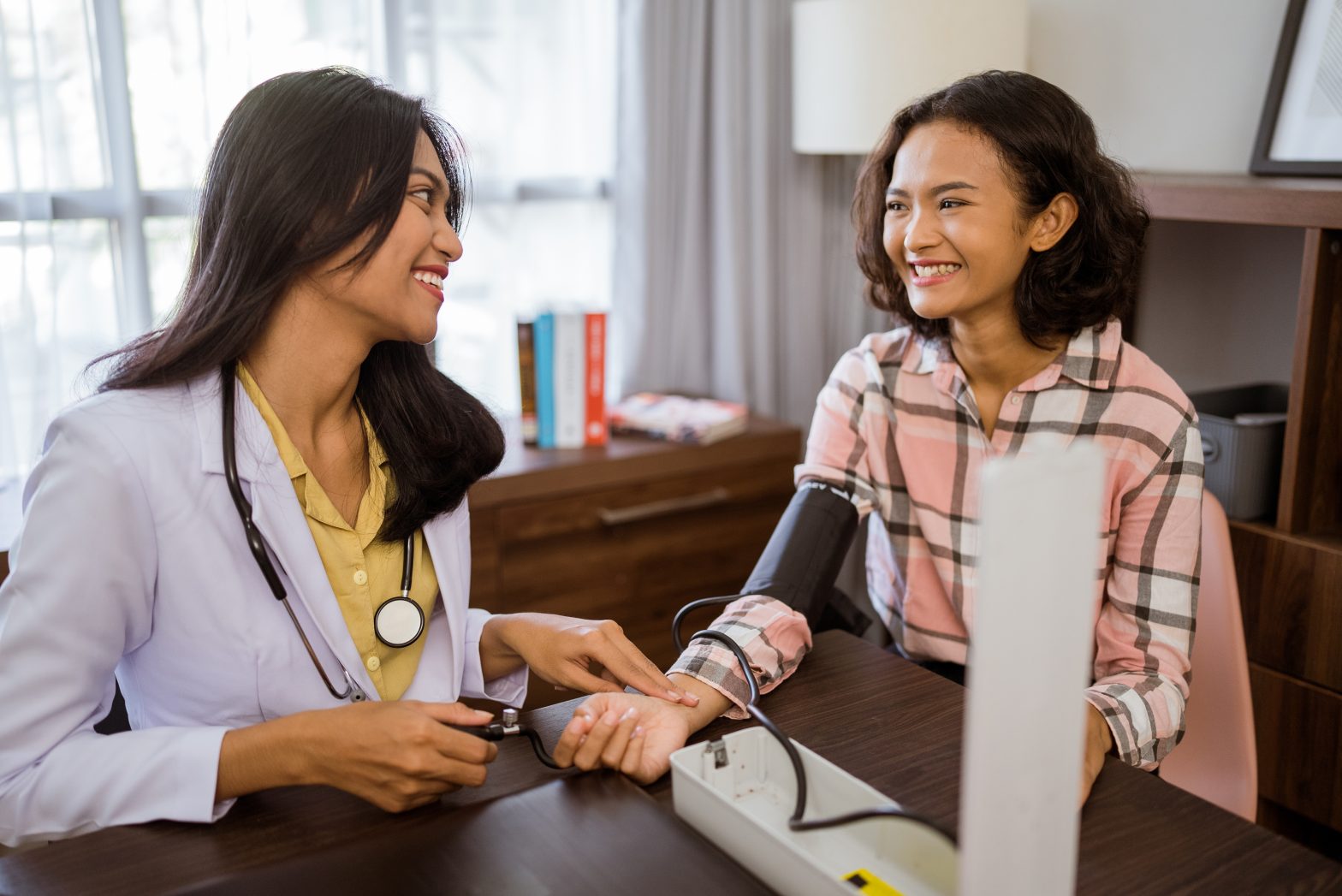
Do you suspect (or know) you have PCOS but are getting answers and support? That’s another story. Maybe your concerns were brushed off. Perhaps you’ve been told to “just lose weight” or go back on the pill. Or you’ve seen multiple doctors and still don’t feel heard or helped. The right PCOS doctor can change your entire journey, from confusion and frustration to clarity and action. In this guide, we’ll walk you through: What kind of doctors treat PCOS How to evaluate if a provider understands hormonal health What questions to ask during your first visit Red flags that signal it’s time to move on You deserve care that goes deeper than symptom control. Who Can Diagnose and Treat PCOS? PCOS is a complex hormonal and metabolic condition. That means you may need more than one type of provider to get full-spectrum care. Here’s a breakdown: General Practitioner (GP) or OB-GYN (Obstetrician-Gynaecologist) Often the first doctor you’ll see Can run hormone labs and pelvic ultrasounds Focuses on periods, fertility, and hormonal birth control options Best if: You need help with menstrual regulation, contraception, or fertility Endocrinologist Specialises in hormonal and metabolic conditions Can address insulin resistance, blood sugar issues, and androgens May work with you on long-term health (e.g. weight, diabetes, cholesterol) Best if: You’re struggling with weight, insulin, or energy levels Reproductive Endocrinologist Focuses on PCOS + fertility Offers options like ovulation induction, IVF, egg freezing Ideal if you’re TTC or planning ahead Best if: You’re actively trying to conceive or preparing to Integrative or Functional Medicine Doctor Often looks at root causes and lifestyle May recommend supplements, diet changes, and gut health support Can be helpful if you’re looking for non-pharmaceutical approaches Best if: You want a whole-body, holistic view of your health How to Identify the Best Doctor for PCOS Treatment? PCOS is often misunderstood, even by medical professionals. To find a provider who truly gets it, look for someone who: Treats PCOS as more than just “missed periods.” Takes time to explain labs and options Understand the emotional toll of PCOS (on confidence, weight, fertility, and energy) Don’t default to “just go on the pill” or “just lose weight” as the only advice Discusses both lifestyle AND medical treatments Expert Insight “PCOS isn’t a quick-fix condition. It affects hormones, metabolism, skin, cycles, and fertility. You want a doctor who sees the full picture, and treats you like a whole person.” Questions to Ask During Your First Appointment Here’s how to get the most out of that first visit: “What’s your experience treating PCOS?” “How do you typically approach diagnosis and management?” “Will you order a full hormone panel and metabolic tests?” “What are my options besides the birth control pill?” “Can we discuss both lifestyle changes and medication?” “How often do you recommend follow-ups?” Pro Tip: Bring a symptom tracker and list of questions. It shows you’re engaged and helps guide the conversation. Red Flags to Watch Out For If you experience any of these, it might be time to find another provider: 🚩 You’re told PCOS isn’t “a big deal” 🚩 Your symptoms are dismissed as normal stress 🚩 You’re given a diagnosis without proper testing 🚩 The only advice is to “lose weight” without support 🚩 You feel rushed or judged Your doctor should be your partner, not your gatekeeper. ➡️ Book a Care Navigator session to get matched with the right PCOS provider Myth vs Reality Myth Reality “Only endocrinologists treat PCOS.” If they’re knowledgeable, GPs, OB-GYNs, REIs, and even primary care doctors can help. “All doctors know what to do with PCOS.” Many don’t. It’s still underdiagnosed and poorly understood. “You just need birth control.” Hormonal pills help some, but they’re not the only solution. “You’re being dramatic.” PCOS affects every aspect of your life. You deserve support. Final Thoughts Finding the right PCOS doctor can feel like dating: you may not click on the first try. But don’t give up. The right provider will diagnose you properly and help you manage your symptoms with compassion, clarity, and strategy. From fatigue to mood swings, your hormones could be the missing link. Our blood tests help you track key hormone levels and take control of your health. → Book Your Hormone Blood Test Today Sources Endocrine Society – PCOS Clinical Guidelines NIH – PCOS Overview CDC – PCOS Facts ACOG – PCOS Diagnosis and Management On Zora Learn Medical Treatments for PCOS A short, medically reviewed module. The first chapter is free to read; the rest is included with a Zora subscription. Read the first chapter For employers: see our guide to fertility benefits for employers in Singapore, including costs, public cover and the rules HR teams need to know.
Common Gynaecological Conditions: What Singapore Women Should Know

Gynaecological conditions are common health issues that affect many women at various stages of life. However, the lack of awareness and the stigma surrounding women’s health often leads to delayed diagnosis and treatment. In Singapore, the availability of advanced healthcare and the gynaecological services offered by leading hospitals and clinics make it easier for women to manage their reproductive health. This article will explore 8 common gynaecological conditions that affect women in Singapore, including their symptoms, causes, and available treatments. Whether you’re experiencing symptoms or are just looking to learn more, this guide will give you the information you need to understand these conditions and seek appropriate treatment. 8 Common Gynaecological Conditions in Singapore 1. Polycystic Ovary Syndrome (PCOS) What is PCOS? PCOS is a hormonal disorder common among women of reproductive age. It occurs when a woman’s ovaries produce an abnormal amount of male hormones, leading to a variety of symptoms. Symptoms: Irregular menstrual cycles Acne, excessive hair growth (hirsutism) Thinning hair on the scalp Difficulty getting pregnant Treatment Options: Lifestyle changes: Diet and exercise to help manage weight and regulate periods Medications: Birth control pills, anti-androgen medications, and insulin-sensitizing drugs Fertility treatments: If pregnancy is desired, options like IUI or IVF may be considered 2. Endometriosis What is Endometriosis? Endometriosis occurs when tissue similar to the lining of the uterus grows outside the uterus. This can cause pain, especially during menstruation, and can affect fertility. Symptoms: Chronic pelvic pain or lower back pain Painful periods (dysmenorrhea) Pain during intercourse Heavy menstrual bleeding Difficulty getting pregnant Treatment Options: Pain management: Nonsteroidal anti-inflammatory drugs (NSAIDs) Hormonal therapy: Birth control pills, IUDs, or GnRH agonists Surgery: In severe cases, laparoscopy or hysterectomy may be necessary 3. Uterine Fibroids What are Uterine Fibroids? Fibroids are benign tumours made of muscle and fibrous tissue that develop in the walls of the uterus. They are often asymptomatic but can cause problems if they grow large. Symptoms: Heavy or prolonged menstrual periods Pelvic pain or pressure Frequent urination Difficulty emptying the bladder Lower back pain Treatment Options: Medication: Hormonal treatments to shrink the fibroids Surgical options: Myomectomy (fibroid removal) or hysterectomy (removal of the uterus) Non-invasive procedures: Uterine artery embolization (UAE) or MRI-guided focused ultrasound 4. Ovarian Cysts What are Ovarian Cysts? Ovarian cysts are fluid-filled sacs that develop on the ovaries. Most are harmless and resolve on their own, but some can cause complications. Symptoms: Abdominal bloating or swelling Pelvic pain or discomfort Pain during intercourse Irregular periods Treatment Options: Observation: Many cysts resolve without treatment Medications: Birth control pills to regulate the menstrual cycle Surgery: If a cyst is large, persistent, or causing severe symptoms, surgical removal may be necessary 5. Pelvic Inflammatory Disease (PID) What is PID? PID is an infection of the female reproductive organs, usually caused by sexually transmitted infections (STIs) such as chlamydia or gonorrhoea. Symptoms: Lower abdominal pain Abnormal vaginal discharge with an unpleasant odour Painful urination or intercourse Fever or chills Treatment Options: Antibiotics: Oral or intravenous antibiotics to treat the infection Surgery: In severe cases, surgery may be necessary to remove damaged tissue 6. Menstrual Disorders (Amenorrhea, Dysmenorrhea, Menorrhagia) What are Menstrual Disorders? Menstrual disorders refer to problems with the regularity, duration, or severity of a woman’s menstrual cycle. Amenorrhea: The absence of menstruation Dysmenorrhea: Painful menstruation Menorrhagia: Excessively heavy periods Treatment Options: Hormonal treatments: Birth control pills or hormonal IUDs to regulate periods Pain relief: NSAIDs or prescription pain medication Surgical options: D&C (dilation and curettage) for severe cases of abnormal bleeding 7. Vaginal Infections (Candida, Bacterial Vaginosis, Trichomoniasis) What are Vaginal Infections? Vaginal infections, such as yeast infections (candida), bacterial vaginosis, and trichomoniasis, can disrupt the balance of bacteria or yeast in the vagina. Symptoms: Itching or irritation in the vaginal area Abnormal discharge with a strong odor Pain or discomfort during intercourse Painful urination Treatment Options: Antifungal medications: For yeast infections (candida) Antibiotics: For bacterial vaginosis or trichomoniasis Topical treatments: Creams or suppositories for localized infections 8. Urinary Tract Infections (UTIs) What are UTIs? UTIs are common infections in the urinary tract that affect the bladder, kidneys, and urethra. Symptoms: A burning sensation during urination Frequent urge to urinate, even when the bladder is empty Cloudy or strong-smelling urine Lower abdominal pain Treatment Options: Antibiotics: To treat the bacterial infection Hydration: Drinking plenty of fluids to flush out bacteria Prevention: Probiotics or dietary changes to maintain a healthy urinary system Final Thoughts Understanding common gynaecological conditions and their symptoms is essential for women to take proactive steps toward better health. Whether seeking early diagnosis or exploring available treatments, women in Singapore have access to world-class medical care. If you experience any of the symptoms discussed, it’s important to consult a gynaecologist to receive a proper diagnosis and treatment plan tailored to your needs. The earlier you seek help, the better the chances of managing these conditions effectively. Call to Action 👉 Experiencing gynaecological symptoms? Take our free 3-minute health check quiz to identify potential conditions and get matched with trusted clinics in Singapore for a consultation. Sources: Singapore General Hospital (SGH) KK Women’s and Children’s Hospital Raffles Medical Group Free on Zora Learn Uterine Fibroids: Understanding and Treatment Options A short, medically reviewed module. The first chapter is open to everyone; create a free Zora account to finish it. Start the free module